What Is an External Heating Vacuum Furnace? Complete Guide for 2026
 06-04-2026 Author: KJ technology
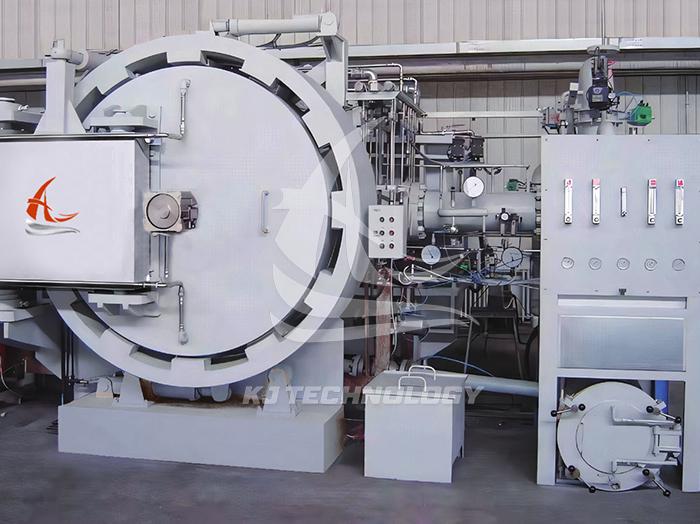
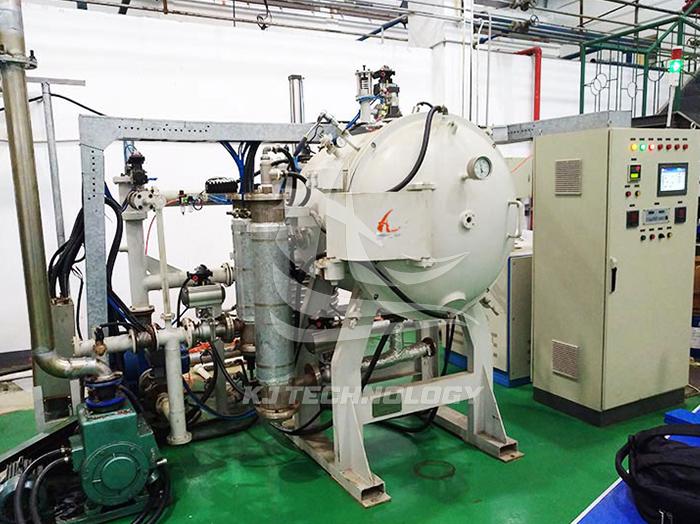
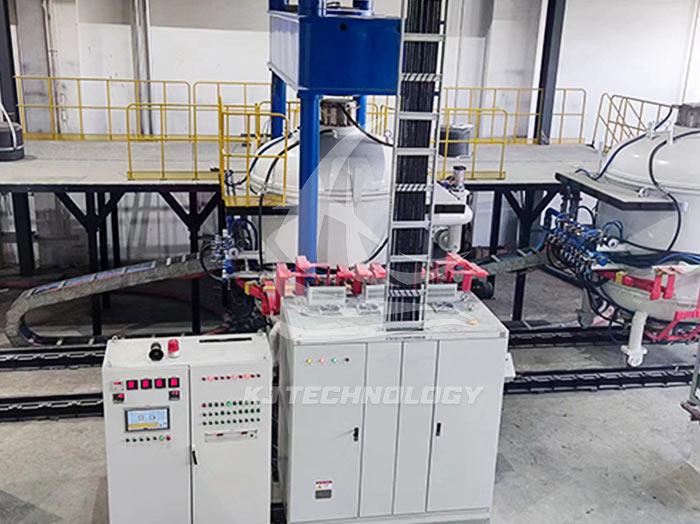
An external heating vacuum furnace, also named hot-wall retort vacuum furnace, is a mainstream indirect heating vacuum thermal processing equipment distinguished from internal cold-wall vacuum furnaces by its unique external heater layout. Different from cold-wall furnaces with heating components sealed inside vacuum cavity, all resistance heating elements are mounted outside the sealed vacuum retort tank; heat transfers to internal workpieces via retort wall radiation and conduction under vacuum environment.
In 2026, this furnace remains irreplaceable for low-to-medium temperature, high-purity heat treatment scenarios across new material labs, precision metal processing, powder metallurgy and electronic ceramics manufacturing, thanks to its simple structure, low maintenance cost and zero vacuum contamination risk from heating parts. This full guide covers definition, construction, operation flow, advantages, limitations, real-world applications and buying guidance to help engineers and purchasers pick matching furnace models efficiently.
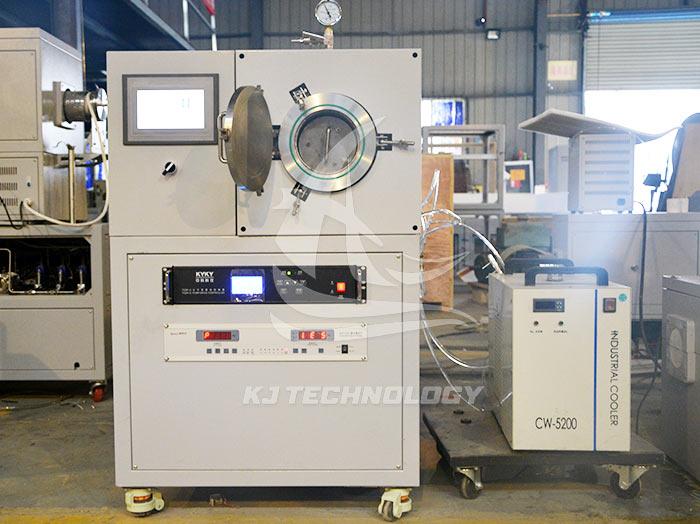
A commonly used vacuum fireplace (click on the image to view product details)
1. Core Definition & Fundamental Working Principle
1.1 Core Definition
External heating vacuum furnace adopts a sealed high-temperature alloy retort as independent vacuum container. Workpieces are fully loaded inside the airtight retort, while heating coils, SiC or MoSi₂ heating rods wrap around the outer wall of retort outside vacuum space. After the whole retort is heated uniformly, radiant heat penetrates vacuum to complete annealing, tempering, degassing or sintering of raw materials inside cavity. Its nickname “hot-wall furnace” derives from the whole retort wall staying at consistent processing temperature during operation, opposite to water-cooled cold-wall furnace shell staying near room temperature.
1.2 Step-by-Step Working Flow
Workpiece Loading & Sealing: Put finished parts or powder samples into retort, lock furnace door to form fully airtight vacuum chamber.
Vacuum Pump Down: Activate matched vacuum unit (rotary vane pump + roots pump optional) to extract residual air, moisture and impurity gas inside retort; most standard models reach working vacuum from 10⁻¹Pa to 100Pa within 15–30 mins. Small internal space of retort cuts down pumping workload greatly compared with large cold-wall cavity.
External Heating Startup: Outer surrounding heating elements are powered on to heat retort wall gradually; PID closed-loop temperature controller adjusts heating power automatically for stable temperature rising rate, control precision up to ±1℃~±3℃.
Soaking & Thermal Holding: Keep preset target temperature for fixed duration to finish metallurgical transformation, stress relief or powder densification inside vacuum.
Controlled Cooling & Venting: Cut off heating supply, implement natural or inert gas slow cooling; after temperature drops to ambient level, break vacuum and unload finished products.
2. Main Component Configuration of External Heating Vacuum Furnace (2026 Standard Configuration)
Modern 2026 upgraded external heating vacuum furnace consists of five core modules, optimized for energy-saving and stable long-term running:
High-temperature Alloy Retort (Vacuum Chamber): Made of 310S stainless steel or Inconel alloy, core sealed container bearing vacuum and high heat; double-layer structural design for enhanced heat insulation and reduced heat loss. Standard single batch volume ranges from 2L lab miniature type to 500L small industrial model.
External Heating System: Three mainstream heating media based on rated working temperature: Nichrome resistance wire (≤850℃), SiC heating rod (850~1250℃), MoSi₂ heating element (max 1300℃). All heaters work under atmospheric condition outside vacuum, avoiding vacuum arcing or component oxidation failure inside sealed cavity.
Multistage Vacuum Assembly: Customizable pumping combination: basic single rotary vane pump for low vacuum, pump set with rotary pump + roots pump for medium vacuum requirement, optional diffusion pump for high-purity ultra-low vacuum processing. Equipped with vacuum gauge, electromagnetic valve and automatic pressure compensation module for real-time vacuum monitoring.
Intelligent PID Temperature Control Cabinet: PLC centralized control system with stored multiple heating curve programs; support one-click recall of mature sintering/annealing parameters, overheat automatic power-off protection and abnormal alarm function, mainstream configuration for 2026 new production batches.
Insulation & Furnace Shell: High-purity alumina fiber insulation wrapped outside heating layer to lower outer shell surface temperature and cut power consumption by over 25% versus old-fashioned brick insulation design.
3. Key Advantages & Existing Limitations of Externally Heated Vacuum Furnace
3.1 Core Advantages (Main Reason for Continuous Market Demand in 2026)
Zero Workpiece Contamination: Heaters are isolated outside vacuum space, no heating element outgassing or volatile impurities polluting inner vacuum atmosphere; ideal for ultra-clean surface treatment of medical alloy and high-purity ceramic powder.
Safe & Low Maintenance Cost: Heating parts operate under normal air environment without vacuum breakdown, short circuit or carbon deposition failure; damaged heating rods can be replaced directly without breaking internal vacuum, daily maintenance workload is far lower than internal heating cold-wall furnace.
Easy Vacuum Acquisition: Only retort inner space needs pumping down, small inner gas volume shortens evacuation time and lowers vacuum system configuration cost significantly.
Cost-effective Investment: Simple mechanical structure reduces manufacturing cost by 30%~50% compared with same-capacity cold-wall vacuum furnace, perfect for startup labs and small-scale workshop with limited budget.
Wide Atmosphere Compatibility: Available for inert gas (N₂, Ar) partial pressure protection besides pure vacuum processing, adapt to mild reduction atmosphere low-temperature annealing processes.
3.2 Inherent Disadvantages
Limited Maximum Working Temperature: Restricted by alloy retort high-temperature tensile strength, conventional models max working temperature ≤1150℃; ultra-high temperature above 1200℃ is unavailable, which is the biggest gap versus cold-wall graphite heating vacuum furnace (up to 2400℃).
Big Thermal Inertia & Low Thermal Efficiency: Heat must pass through thick retort wall to reach inner workpiece, slow heating/cooling speed and high heat loss through furnace shell, higher unit power consumption for long continuous production.
Limited Single Batch Load: Restricted by retort forming processing, extra-large cavity customization is difficult; mostly applied for small & medium batch production instead of ton-level continuous industrial manufacturing.
4. Wide Application Fields in 2026 Global Industries
Due to its high-purity processing feature, external heating vacuum furnace focuses on low-medium temperature precision thermal treatment across five major sectors:
New Material & Laboratory R&D: University material labs, new energy R&D institutes for formula test of alumina ceramic powder, ferrite magnetic material, non-ferrous alloy small sample vacuum sintering and degassing experiment. Mini desktop external heating vacuum furnace is the standard lab equipment for material formulation verification in 2026.
Precision Metal Heat Treatment: Bright vacuum annealing of high-speed steel, die steel, titanium alloy, stainless steel hardware; stress relief tempering of stamped parts, welding components to eliminate internal residual stress and prevent post-processing deformation and cracking without surface oxidation scale.
Powder Metallurgy Small-Batch Production: Low-temperature sintering of copper-based, iron-based small-size powder metallurgy parts, rare earth alloy blank degassing treatment for small-batch trial production before mass production shift to continuous cold-wall furnace.
Medical & Aerospace Small Components: Vacuum aging and stress removing of titanium alloy medical implant parts, miniature aerospace precision fasteners requiring flawless bright surface without impurity contamination.
Electronic Ceramic & Semiconductor Auxiliary Parts: Degassing of electronic insulating ceramics, vacuum annealing of copper-clad electronic base materials to stabilize internal microstructure and improve product yield.
5. 2026 Purchasing & Model Selection Guidance for Buyers
Follow four core standards to select proper external heating vacuum furnace and avoid over-spec or insufficient configuration:
Confirm Max Working Temperature: ≤800℃ pick nichrome wire heating type; 800~1150℃ choose SiC or MoSi₂ external heating layout, do not select external furnace if processing temperature exceeds 1200℃, shift to cold-wall furnace directly.
Define Required Vacuum Level: Ordinary annealing (1~100Pa) matches single rotary vane pump; high-purity degassing (10⁻¹~10⁻³Pa) needs rotary + roots pump group combination.
Calculate Single Batch Loading Volume: Lab R&D picks 2L~50L desktop small furnace; small industrial workshop selects 100L~500L horizontal retort furnace based on daily output.
Atmosphere Demand Confirmation: Pure vacuum only selects basic vacuum unit; inert gas shielding processing adds external gas mixing cabinet with precision flow control valve.
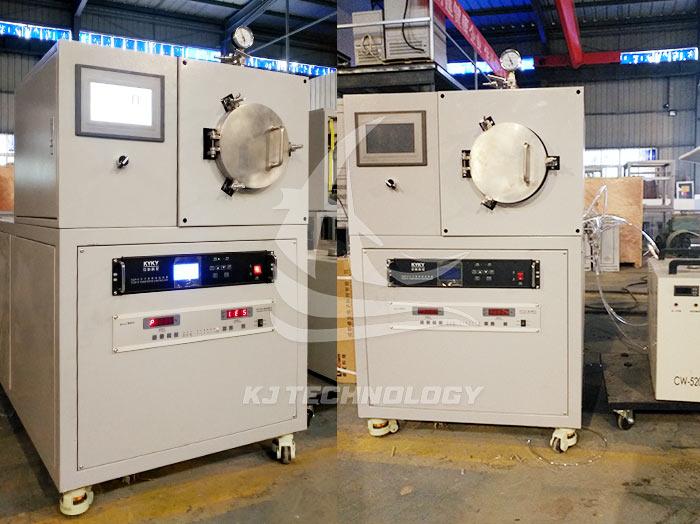
A commonly used vacuum fireplace (click on the image to view product details)
6. Conclusion & Future Development Trend (2026–2027)
Although cold-wall internal heating vacuum furnace dominates high-temperature large-scale industrial market, external heating vacuum furnace still holds irreplaceable niche market thanks to its ultra-clean processing advantage and low operating cost in lab and small-batch precision manufacturing field.
In coming years 2026 to 2027, the industry upgrade direction focuses on energy-saving optimization: new nano-fiber insulation material reduces power consumption, intelligent IoT temperature control realizes remote parameter monitoring and automatic production record storage, further expanding its application in new energy powder and biomedical material processing sectors. When your production targets low-medium temperature, high surface cleanliness and limited procurement budget, external heating vacuum furnace is the most cost-effective thermal processing solution.