Horizontal Vacuum Brazing Furnace Buying Guide: 5 Core Parameters & 3 Common Pitfalls to Watch in 2026
 06-05-2026 Author: KJ technology
Booming new energy vehicle, aerospace and carbide industries fuel strong demand for horizontal vacuum brazing furnaces in 2026. Improper procurement due to inflated specs and misleading low-price offers often causes vacuum leakage, poor yield and high maintenance cost. This guide sorts out five key technical parameters and three typical purchasing traps to help buyers select matching equipment.
1. Five Core Selection Parameters
1.1 Ultimate Vacuum & Pressure Rise Rate
Vacuum standard by application:
Aluminum/carbon steel brazing: 1×10⁻¹~1×10⁻³Pa (mechanical+Roots pump)
Stainless steel/compressor parts: ≤6.67×10⁻⁴Pa (diffusion pump set)
Titanium/aerospace components: ≤5×10⁻⁵Pa (molecular pump unit)
Premium furnace cold pressure rise rate ≤0.2Pa/h. Contract requires full-load high-temperature vacuum testing to avoid nominal data fraud.
1.2 Temperature Uniformity & Max Working Temp
Reserve 100~150℃ temperature margin above actual brazing temp(800~1320℃):
Ordinary parts: ±8℃; Auto cold plate: ±5℃; Aerospace parts: ±3℃
PLC multi-stage programmable temperature control is standard for modern intelligent furnaces.
1.3 Effective Furnace Size
Reserve 15% extra inner space for tooling stacking. Oversized chamber wastes power while undersized space leads to uneven heating and high reject rate. Non-standard customized chambers are widely available now.
1.4 Cooling System
Two mainstream options:
High-pressure nitrogen cooling(3~6bar): Fast batch turnover for regular workpieces;
Combined water cooling: Slow controllable cooling to prevent precision parts cracking.
Avoid low-end models with simplified heat exchangers leading to slow cooling.
1.5 Heating Element & Energy Efficiency
600~1050℃: Fe-Cr-Al heater for low cost;
1050~1320℃: Molybdenum/graphite heater with 3x longer service life.
Composite graphite-silicate insulation cuts power consumption by 25%~32%.
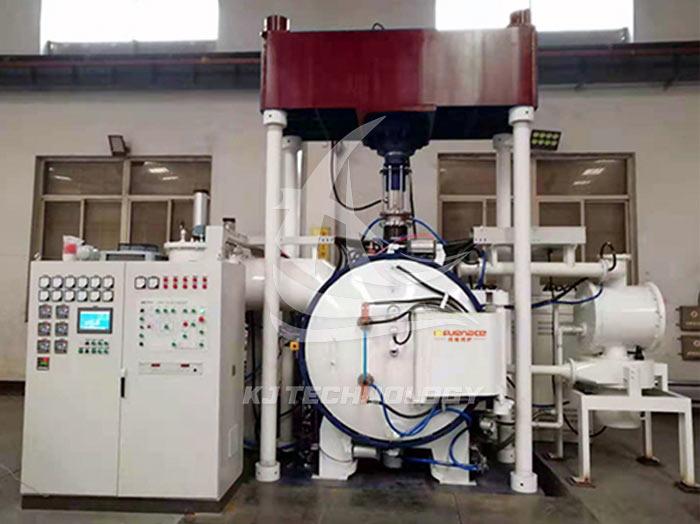
Commonly used industrial vacuum brazing furnaces (click on the image to view product details)
2. Three Typical Procurement Traps
Trap1: Spec tested only under empty furnace
Manufacturers mark favorable data at cold idle status, yet indexes deteriorate severely under full load.✅Solution: Keep 10% balance payment, test performance under full-load heat preservation before acceptance.
Trap2: Low bare-machine quote with hidden extra fees
Cheap furnace price excludes vacuum pump, chiller and PLC control, final cost rises 15%~25%.✅Solution: Itemize all standard accessories in quotation with no extra-cost commitment.
Trap3: Empty after-sales promise
Free maintenance commitment turns into expensive onsite service and overpriced spare parts later.✅Solution: Define warranty clearly: ≥18-month for main body, 6-month for heating elements.
3. Quick Purchase Tips
Send samples for trial brazing to verify real performance;
Inspect factory production line to rule out OEM middlemen;
Reserve upgrade interface on furnace for future product adjustment;
Calculate full-lifecycle cost instead of only initial price.
Conclusion
Focus on verified core parameters and stay away from procurement traps to pick cost-effective vacuum brazing furnace matching your production demand.