External heating vacuum furnace
 03-17-2026 Author: KJ technology
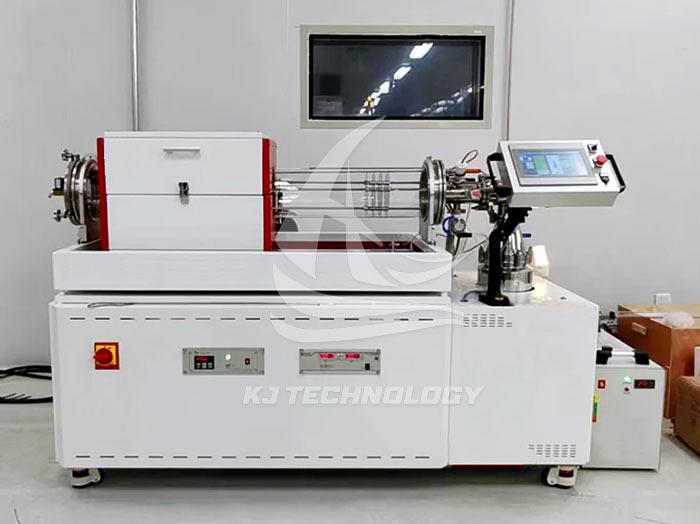
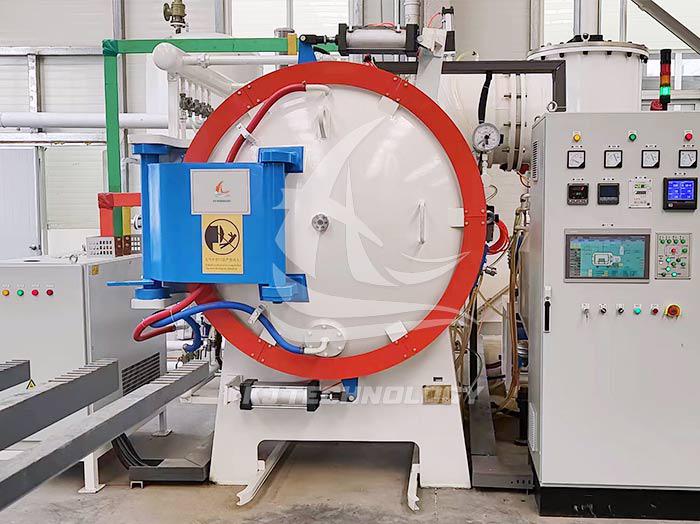
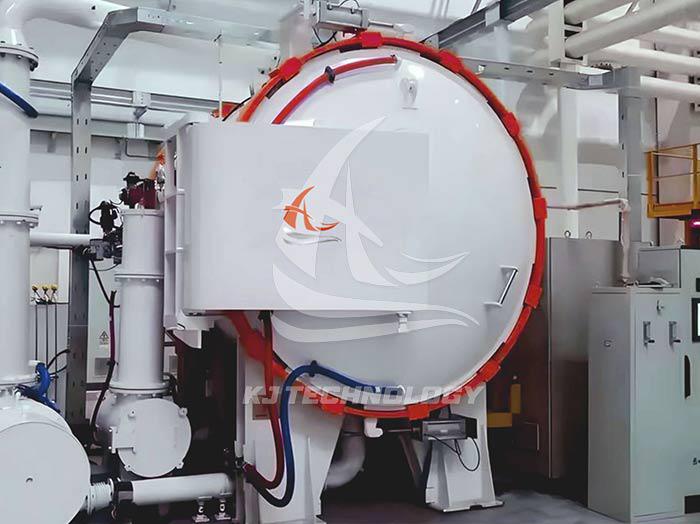
External heating vacuum furnace is a heat treatment equipment that combines external heating technology and vacuum environment. The following is a detailed introduction to external heating vacuum furnaces:
1. Equipment structural characteristics
External heating system:
External heating vacuum furnaces use external heating methods, such as resistance heating, to transfer heat to the workpieces inside the furnace through thermal radiation or conduction.
External heating systems typically include heating elements, insulation layers, and temperature control systems to ensure the stability and accuracy of the heating process.
Vacuum environment:
The interior of the furnace is kept in a vacuum state to reduce the influence of oxygen and other gases, and prevent adverse reactions such as oxidation and decarburization of the workpiece during the heating process.
Vacuum systems typically include components such as vacuum pumps, vacuum gauges, and vacuum valves to achieve precise control and measurement of vacuum levels.
2. Equipment performance advantages
High heating efficiency:
External heating methods can evenly transfer heat to the workpiece, improving heating efficiency.
Meanwhile, due to the vacuum state maintained inside the furnace, heat loss is reduced, further improving heating efficiency.
Good handling quality:
A vacuum environment can effectively prevent adverse reactions such as oxidation and decarburization of workpieces during heating, ensuring processing quality.
In addition, the vacuum environment can also promote certain chemical reactions, such as degassing, carburizing, etc., to improve the performance of the workpiece.
Wide applicability:
External heating vacuum furnace is suitable for heat treatment, sintering, welding and other processes of various metal materials.
Meanwhile, it can also be used for processing non-metallic materials such as ceramics, glass, etc.
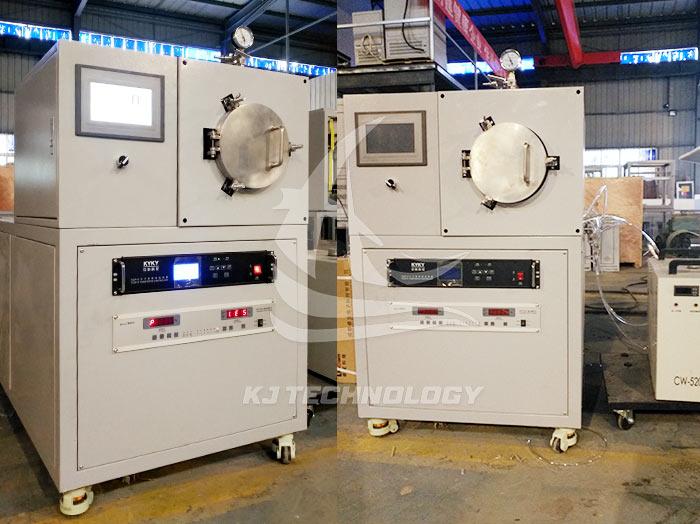
A commonly used external heating vacuum furnace (click on the image to view product details)
3. Application Fields
External heating vacuum furnaces are widely used in the following fields:
Aerospace: Used for heat treatment of aircraft engine parts and spacecraft components.
Automotive manufacturing: used for heat treatment processes such as quenching and tempering of automotive components.
Electronic industry: used for packaging, soldering, and other processes of electronic components.
Research field: used for the research and development of new materials, as well as experiments on special processes.
4. Purchase precautions
When choosing an external heating vacuum furnace, the following precautions should be taken:
Clear requirements: Determine the required furnace type, heating method, vacuum range, and other parameters based on experimental or production needs.
Performance evaluation: Understand the performance indicators such as heating efficiency, temperature uniformity, and vacuum stability of the equipment.
Pay attention to safety: Ensure that the equipment has comprehensive safety protection measures, such as over temperature protection, leakage protection, vacuum leakage alarm, etc.
Consider after-sales service: Choose suppliers with good after-sales service records to ensure that the equipment can receive timely technical support and maintenance services during use.
In summary, external heating vacuum furnace is a powerful and superior heat treatment equipment widely used in multiple fields. When making a purchase, it is necessary to comprehensively consider multiple aspects such as equipment performance, safety, and after-sales service to ensure that a device that meets the requirements and has stable performance is selected.