750 C low-temperature aluminum brazing vacuum industrial furnace
 03-13-2026 Author: KJ technology
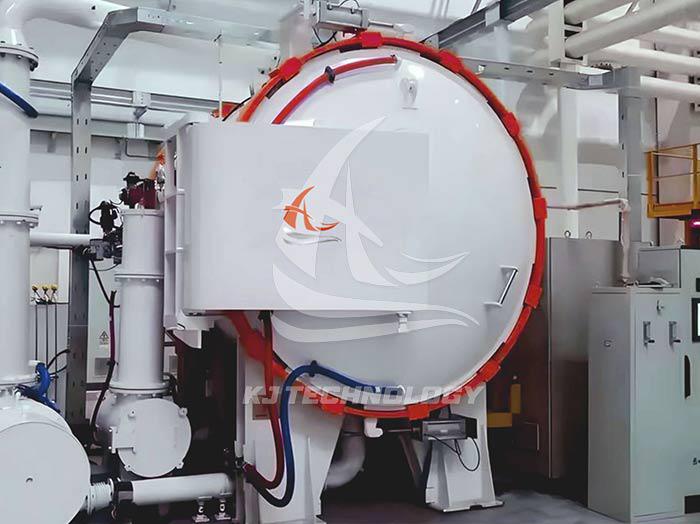
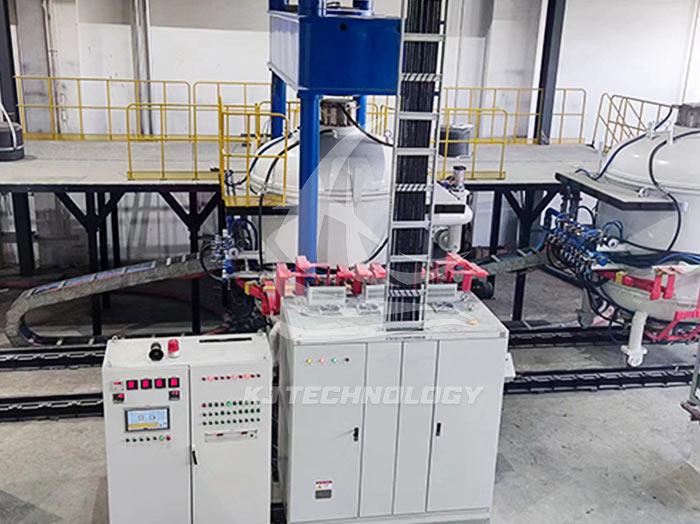
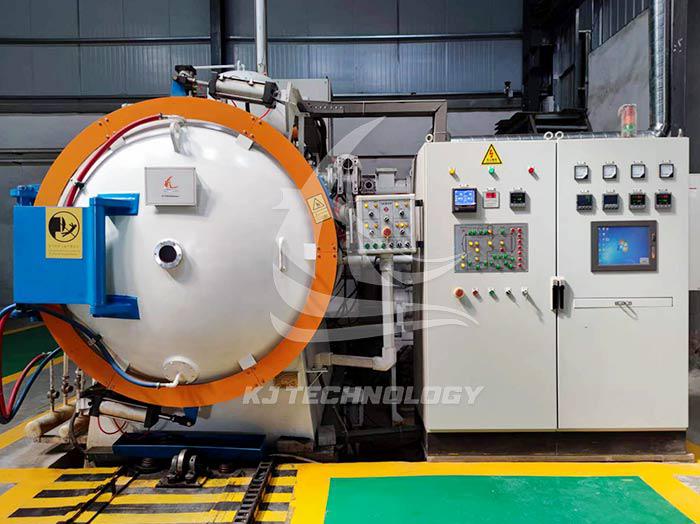
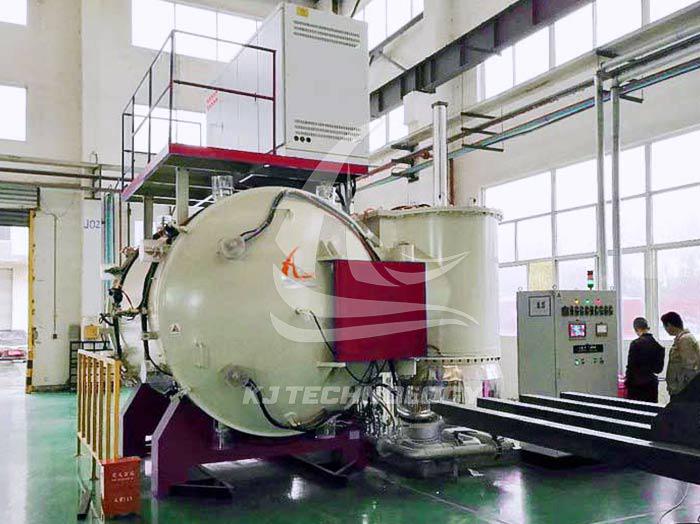
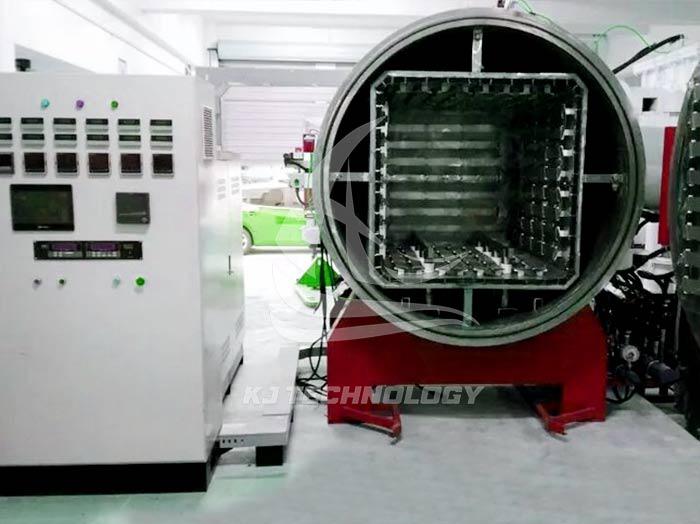
The 750 degree low-temperature aluminum brazing vacuum industrial furnace is a vacuum brazing equipment designed specifically for low melting point materials such as aluminum alloys. Its core features, structure, application, and selection recommendations are as follows:
1. Core Features
temperature range
The maximum working temperature is usually 750 ℃, suitable for melting and brazing aluminum based brazing materials (such as aluminum silicon alloys) to avoid overheating or melting of the base material (aluminum alloy).
vacuum environment
Cold state vacuum degree: up to 10 ⁻ Pa (such as mechanical pump+diffusion pump combination), effectively removing gas in the furnace and preventing oxidation during brazing process.
Working vacuum degree: maintained at around 10 ⁻ ² Pa to ensure the wettability of the solder and reduce defects such as pores.
temperature uniformity
By using electric heating alloy tubes or resistance wires for heating around, the furnace temperature uniformity can reach ± 5 ℃, ensuring consistent brazing quality.
Some models use a microprocessor temperature control system to measure and control temperature in different regions, and the uniformity can be optimized to ± 4 ℃.
Economy and practicality
Compared to high-temperature vacuum furnaces (such as 1200 ℃ and 1350 ℃ models), the 750 ℃ furnace has lower power and is more affordable, making it suitable for low-temperature brazing scenarios.
Equipped with stainless steel furnace, corrosion-resistant and easy to clean, reducing maintenance costs.
2. Core structure
furnace body
Double layer carbon steel or stainless steel structure with built-in insulation screen (such as stainless steel sheet) to reduce heat loss.
The front and rear furnace doors are designed for easy loading and unloading of workpieces and cleaning of the furnace.
heating system
Heating element: electric heating alloy tube, resistance wire or nickel chromium resistance material, surrounding the furnace to achieve uniform heating.
Partition control: Some models divide the heating element into six groups, which are powered by independent power sources and can adjust the power according to the distribution of workpiece quality.
vacuum system
Main pump: oil diffusion pump, strong pumping capacity, meets the requirements of cold furnace vacuum degree.
Front stage pump: rotary vane mechanical pump or Roots pump, auxiliary main pump for rapid vacuum pumping.
Valves and traps: equipped with low vacuum valves, high vacuum valves, and magnesium traps to prevent magnesium oxide or magnesium vapor from contaminating the vacuum system.
cooling system
Gas forced circulation cooling: Through vacuum fans, heat exchangers, and pipelines, external circulation cooling is achieved to shorten the cooling time of workpieces.
Water cooling system: Some models require external cooling water to protect the furnace body and vacuum pump.
control system
Temperature control: using PID regulator or microprocessor temperature control system, supporting multi-stage program heating, with temperature control accuracy of ± 1 ℃.
Vacuum control: Display the working status of the vacuum pump and valve, and support manual/automatic switching.
3. Typical applications
Aluminum alloy heat exchanger brazing
Vacuum brazing of automotive air conditioning evaporator, condenser and other components to ensure sealing and thermal conductivity efficiency.
Aluminum structural component connection
The brazing of precision aluminum components such as aircraft engine blades and satellite honeycomb sandwich structures meets the requirements of high strength and lightweight.
Brazing of other materials
Suitable for low-temperature brazing of materials such as stainless steel and titanium alloys, or as a pre-treatment equipment before high-temperature brazing.
4. Selection suggestions
Temperature and power matching
Select the appropriate power and furnace size (such as 200 × 200 × 300mm to 600 × 600 × 900mm) based on the workpiece size and brazing process requirements.
Vacuum system configuration
Confirm whether the combination of vacuum pump (such as mechanical pump+diffusion pump) can meet the requirements of cold furnace vacuum degree (10 ⁻ ³ Pa) and working vacuum degree (10 ⁻ ² Pa).
Temperature uniformity requirements
For scenarios with high requirements for brazing quality (such as aviation components), priority should be given to models with zone temperature control function.
Brand and after-sales service
Choose manufacturers with mature technology and rich case studies to ensure equipment stability and after-sales support.