What materials can be processed by vacuum debinding sintering integrated furnace?
 09-23-2026 Author: KJ technology
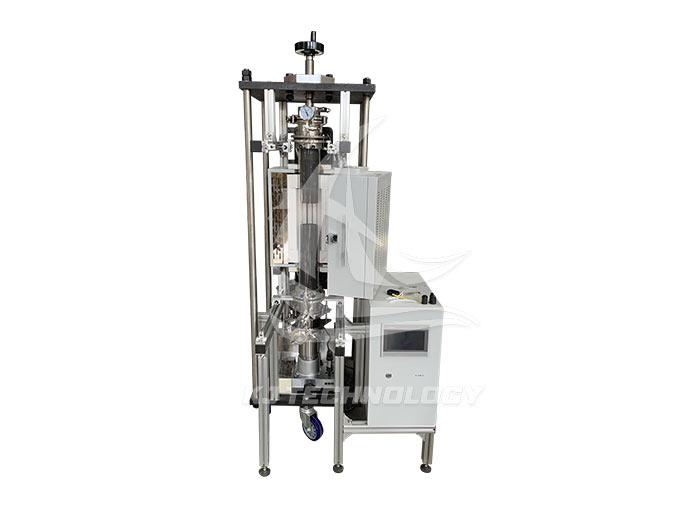
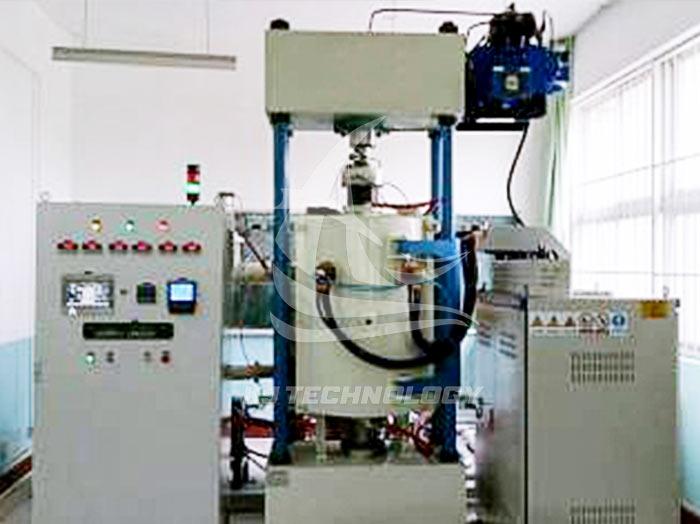
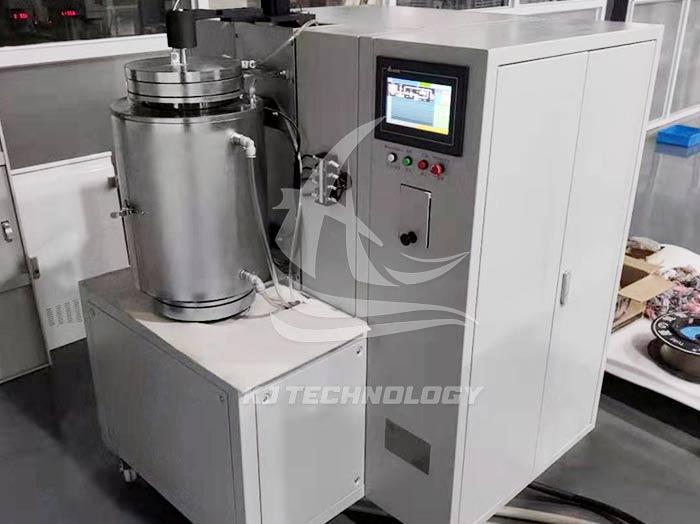
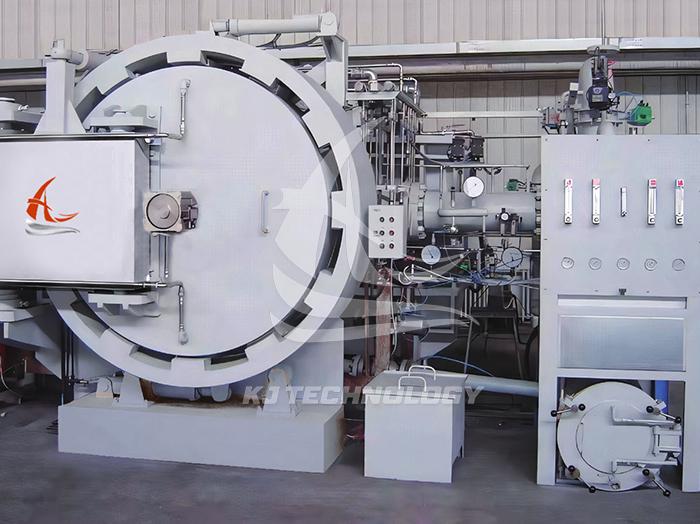
A vacuum debinding sintering integrated furnace is an all-in-one industrial and laboratory heat treatment equipment that combines vacuum debinding and high-temperature sintering in a single closed loop. Unlike traditional separate debinding and sintering machines, it completes binder removal, atmosphere purification, and densification sintering continuously without workpiece transfer, avoiding secondary contamination and oxidation.
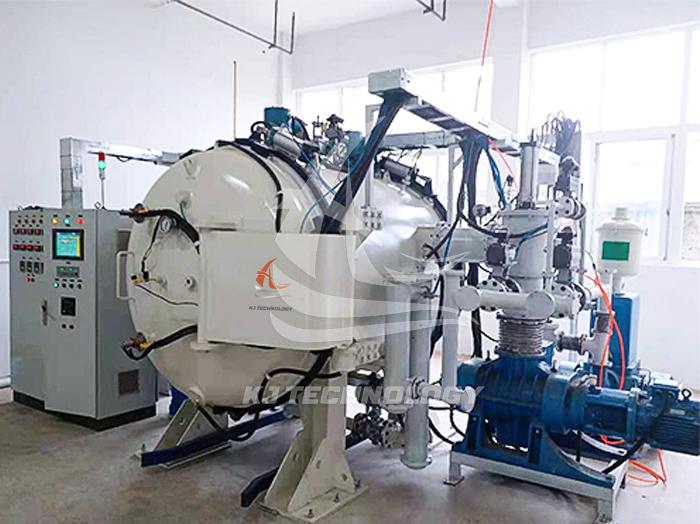
Due to its precise vacuum control, programmable temperature curve, and low-oxygen high-temperature environment, this integrated furnace supports processing of metal alloys, cemented carbides, advanced ceramics, magnetic materials, and composite materials. It is widely adopted in MIM (Metal Injection Molding), powder metallurgy, new energy, semiconductor, and high-end precision manufacturing fields. This article fully sorts out all applicable materials and their matching processing advantages.
1. Metal Alloys & MIM Precision Metal Materials
Metal materials are the most mainstream processing objects of vacuum debinding sintering integrated furnaces. Most MIM parts and powder metallurgy metal workpieces contain paraffin, PEG, PVA, and acrylic binders, which require low-temperature vacuum debinding followed by high-temperature sintering for densification.
Applicable metal materials:
- Stainless steel: 316L, 17-4PH, 304 stainless steel for automotive accessories, medical parts, and consumer electronics components
- Tool steel & high-strength alloy steel: iron-nickel alloy, high-speed steel, and mold steel for mechanical structural parts
- Titanium & titanium alloys: medical titanium parts, aerospace lightweight structural components with high biocompatibility requirements
- Refractory metals: tungsten, molybdenum, tantalum and their high-temperature alloy parts, which are prone to oxidation under atmospheric conditions
Processing advantages: The pure vacuum environment completely removes residual binders and prevents metal oxidation and decarbonization. The one-step sintering process improves workpiece density, surface finish, and mechanical stability.
2. Cemented Carbide & Hard Alloy Materials
Cemented carbide (WC-Co) and hard alloy products have strict requirements for binder removal and sintering uniformity, making vacuum debinding sintering integrated furnaces the standard processing equipment for the carbide industry. It effectively eliminates molding agents and ensures uniform alloy phase distribution.
Applicable hard alloy materials:
- Tungsten carbide cobalt alloy (WC-Co) for cutting tools, drill bits, and wear-resistant parts
- Tungsten copper alloy, molybdenum copper alloy for electrical and thermal conductive components
- High-density heavy alloys for counterweight and precision instrument parts
The furnace supports low-pressure gas protection sintering, which effectively solves the problems of carbon loss, porosity, and uneven hardness in traditional carbide sintering, greatly improving product wear resistance and service life.
3. Advanced Structural & Functional Ceramics
Ceramic blanks formed by dry pressing, isostatic pressing, or injection molding contain a large amount of organic binders. The integrated furnace realizes slow vacuum debinding and high-temperature dense sintering, which is suitable for high-purity ceramic materials that are sensitive to temperature and oxygen content.
Applicable ceramic materials:
- Oxide ceramics: Zirconia, alumina, and magnesia ceramics for medical dentures, wearable parts, and insulating components
- Non-oxide ceramics: Silicon nitride, silicon carbide, and boron carbide ceramics for high-temperature and wear-resistant structural parts
- Special functional ceramics: Piezoelectric ceramics, dielectric ceramics, and semiconductor ceramic components
The segmented temperature control system ensures thorough binder removal without cracking or deformation, enabling ceramic workpieces to achieve high density and stable dimensional accuracy after sintering.
4. Magnetic & Electronic Functional Materials
Magnetic materials and electronic ceramic components require extremely low impurity content and stable internal crystal structure. The vacuum debinding and sintering integrated process can remove organic residues and tiny gas impurities, ensuring consistent electromagnetic properties of finished products.
Main applicable materials:
- NdFeB permanent magnetic materials and soft magnetic alloy powder parts
- Ferrite magnetic materials and high-precision electronic sintered components
- Thermal sensitive and pressure-sensitive ceramic functional materials
5. Composite Materials & 3D Printing Post-Processing Materials
With the rapid development of additive manufacturing, vacuum debinding sintering integrated furnaces have become core equipment for 3D printing post-treatment. They are suitable for debinding and secondary sintering of metal and ceramic printed blanks with loose internal structures and residual binders.
Applicable composite materials:
- Carbon fiber reinforced ceramic composites and carbon-carbon composite materials
- 3D printed stainless steel, titanium alloy, and ceramic blank parts
- Multi-phase mixed powder metallurgy composite structural materials
Key Material Processing Limits (What It Cannot Process)
To avoid equipment failure and defective products, the integrated furnace is not suitable for the following materials:
- Materials containing high volatile alkali components, which are easy to corrode the furnace chamber
- Low-melting-point pure zinc, pure lead and other single metals with excessive volatility
- Materials containing strong corrosive chemical binders that damage sealing and heating components
Why Choose Integrated Debinding & Sintering Furnace?
Compared with separate debinding furnaces and sintering furnaces, the integrated model provides unique advantages for the above materials:
- No secondary pollution: One-chamber one-time processing, no workpiece transfer
- Low defect rate: Slow vacuum debinding avoids blank cracking and bubbling
- High finished density: Precise vacuum and atmosphere control ensure uniform sintering
- Cost saving: Simplified process flow, lower energy consumption and labor costs
FAQ
Q1: Can this furnace process all MIM metal parts?
A: Yes. It supports mainstream MIM materials including stainless steel, tool steel, titanium alloy, and cemented carbide, covering most precision metal injection molding production needs.
Q2: Is it suitable for mass production or only laboratory use?
A: It supports both laboratory small-batch R&D and industrial mass production. The temperature and vacuum parameters can be customized according to material characteristics and production scale.
Q3: Does ceramic sintering require auxiliary atmosphere?
A: Most oxide ceramics can be sintered in pure vacuum; non-oxide ceramics need inert atmosphere (argon/nitrogen) protection to avoid high-temperature oxidation.