What materials can be processed in high temperature brazing vacuum furnace?
 09-21-2026 Author: KJ technology
High temperature brazing vacuum furnace is widely adopted in aerospace, tool manufacturing, new energy and precision machinery industries. Compared with atmosphere brazing, vacuum brazing can avoid oxidation, decarburization and surface contamination during heating, which is critical for high-performance metal components. Many engineers and procurement managers wonder what materials are suitable for vacuum high-temperature brazing and which combinations of base metal and filler metal work well inside the furnace. This article will sort out applicable materials, typical application cases and material selection notes for high temperature vacuum brazing.
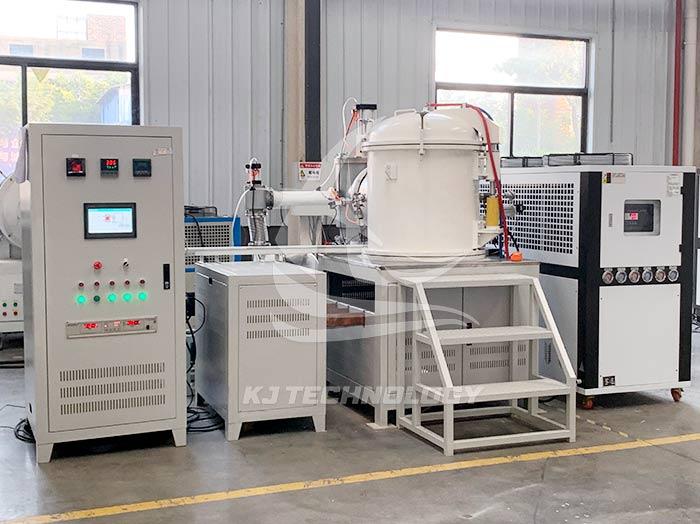
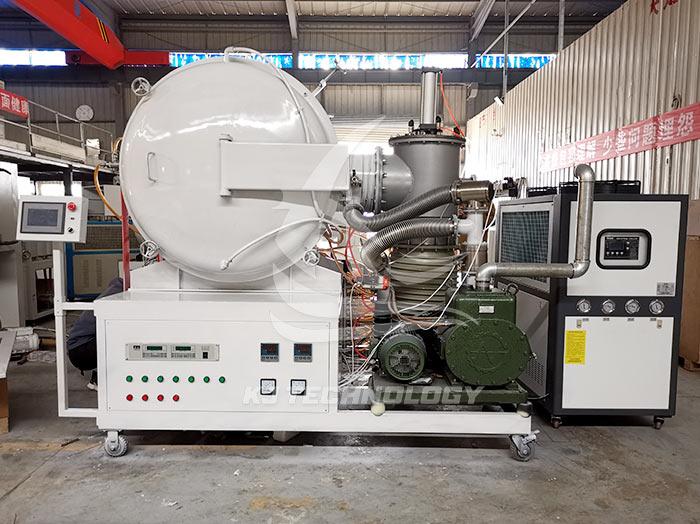
Commonly used vacuum brazing furnaces (click on the image to view product details)
1. Stainless steel
Stainless steel is one of the most common materials processed in high temperature brazing vacuum furnaces, including 304, 316, 321 and precipitation hardening stainless steel.
In air or protective gas brazing, stainless steel tends to form dense chromium oxide film on the surface, which hinders wetting of brazing filler metal. Vacuum environment removes oxygen and suppresses oxide formation. Vacuum brazing can achieve clean, bright joint surfaces without post pickling.
Typical products: heat exchangers, fluid manifolds, vacuum chamber parts, sensor housings.
Common filler metals: nickel-based brazing alloys, copper-based brazing foils.
2. Carbide / tungsten carbide
Tungsten carbide cutting tools, mining tools and wear-resistant components rely heavily on vacuum high-temperature brazing.
Carbide is brittle and sensitive to rapid temperature change. The stable vacuum heating environment ensures uniform temperature distribution, reduces thermal stress and prevents cracking. Brazed joints maintain high hardness and wear resistance after processing.
Typical products: carbide inserts, drill bits, saw blades, mold wear parts.
Common filler metals: silver-copper, nickel-based brazing materials.
3. Titanium alloys
Titanium alloy has excellent strength-to-weight ratio and corrosion resistance, but it is extremely easy to absorb oxygen, nitrogen and hydrogen at high temperature. Even tiny oxygen contamination will cause surface embrittlement.
High temperature brazing vacuum furnace creates a high-purity oxygen-free environment, making it the preferred equipment for titanium alloy assembly.
Typical products: aerospace structural parts, medical components, marine corrosion-resistant assemblies.
Note: The furnace system must maintain good vacuum tightness during the whole heating and cooling cycle.
4. Nickel-based superalloys
Nickel superalloys are widely used in gas turbine, engine and high-temperature working parts. They can withstand high service temperature and mechanical load.
Vacuum brazing avoids harmful elements such as sulfur and oxygen. Brazed joints keep high-temperature strength and creep resistance. It is the standard joining method for repairing and assembling superalloy components.
Typical products: turbine blades, combustion chamber components, heat shields.
5. Copper and copper alloys
Pure copper, brass and bronze can be vacuum brazed. Copper easily oxidizes at elevated temperature; vacuum heating removes oxide layers and helps brazing filler metal spread evenly.
It is commonly used for heat sinks, cooling plates and electrical conductive parts.
Tip: Copper has high vapor pressure. When brazing pure copper at very high temperature, control vacuum level and holding time to reduce element volatilization.
6. Refractory metals: molybdenum, tantalum, niobium
These refractory metals have ultra-high melting points and are used for vacuum electronics and high-temperature test fixtures. They oxidize violently once exposed to air under heat. Only high vacuum environment can protect these materials during brazing.
Typical applications: vacuum electron devices, high-temperature test jigs, thermal shielding components.
Materials NOT recommended for vacuum high temperature brazing
1. Materials with high volatile elements: some low melting point zinc-containing alloys will evaporate heavily under vacuum, polluting furnace chamber and damaging heating elements.
2. Porous materials with large amount of trapped gas: parts without proper degassing treatment will release gas continuously, destroy vacuum and cause poor brazing quality.
3. Materials that easily decompose or generate corrosive gas at high temperature.
Key considerations when selecting materials for vacuum brazing
1. Melting point matching: The brazing filler metal melting temperature must be lower than the solidus temperature of base material to avoid substrate softening or deformation.
2. Degassing requirement: Components must be thoroughly cleaned and degassed before entering the furnace. Oil, grease and residual machining coolant will release gas and contaminate the vacuum environment.
3. Vacuum degree requirement: Titanium, refractory metal and superalloy brazing need higher vacuum level than stainless steel brazing.
4. Thermal expansion coefficient: Big mismatch of thermal expansion between base metal and filler metal may lead to residual stress and joint cracking after cooling.
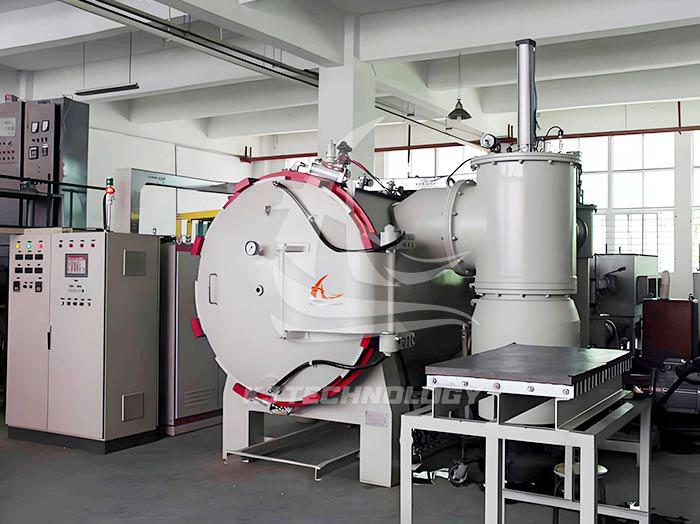
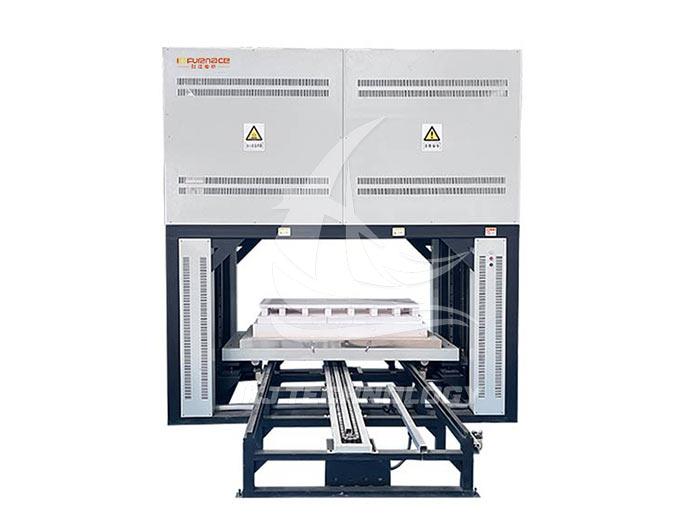
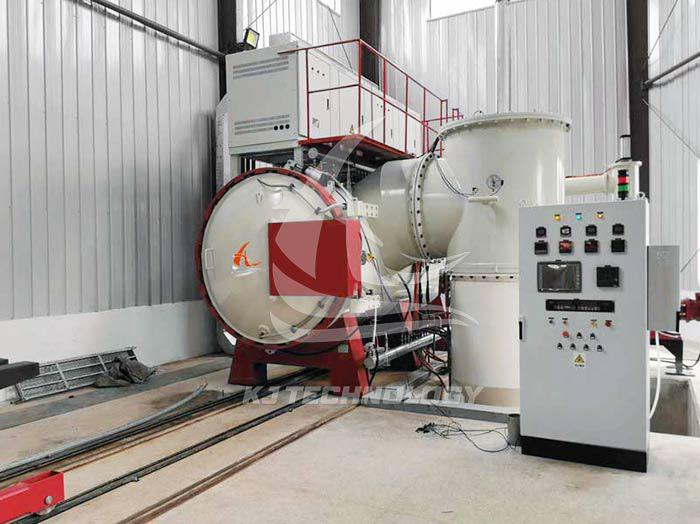
Customized vacuum brazing furnace (click on the image to view product details)
Summary
High temperature brazing vacuum furnace is suitable for stainless steel, tungsten carbide, titanium alloy, nickel superalloy, copper alloy and refractory metals like molybdenum and tantalum. It is the best choice when you need clean oxide-free brazed joints for high-end precision components.
Before production, confirm your base material, brazing filler metal and vacuum requirement. Pre-sample test is recommended to verify joint strength and surface quality.