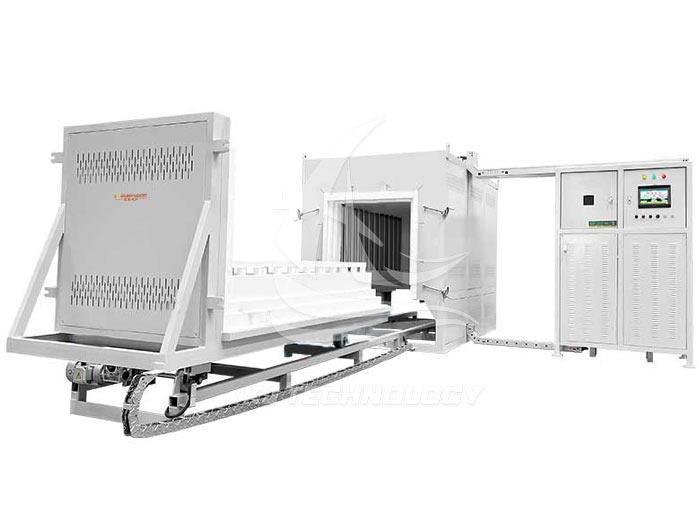
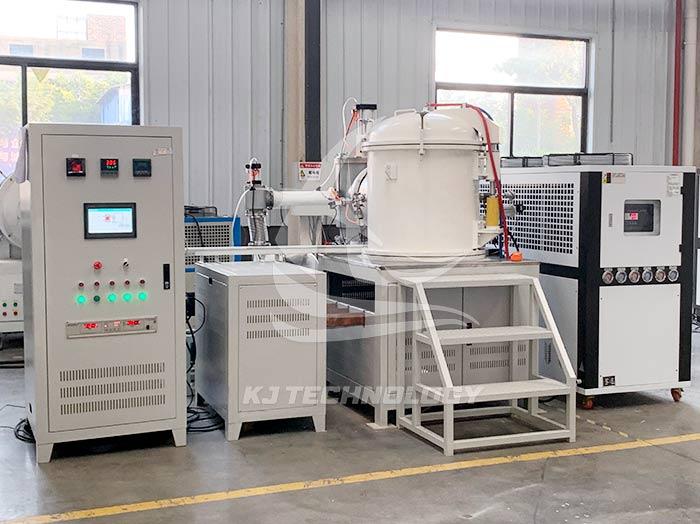
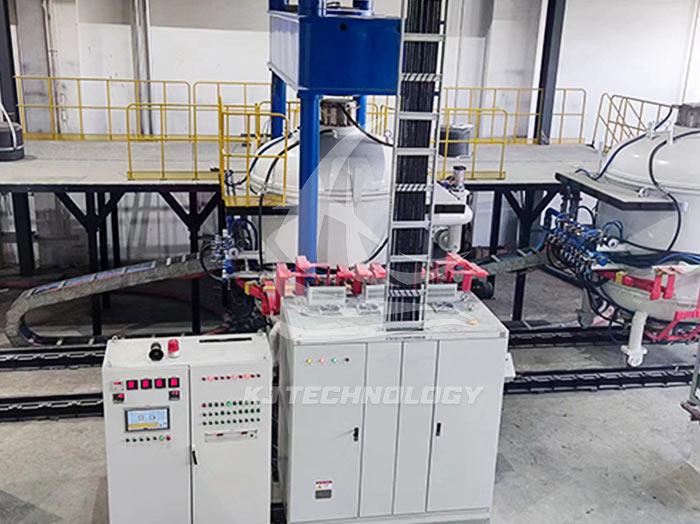
High‑Temperature Atmosphere Brazing Furnace: A Complete Selection Guide for Flux‑Free Precision Joining
 08-06-2026 Author: KJ technology
Introduction
High‑temperature atmosphere brazing furnaces have become indispensable thermal‑processing equipment for flux‑free precision metal joining across aerospace components, automobile spare‑parts, electronic hardware, medical‑grade alloy workpieces and new‑energy hardware.
Traditional brazing work usually relies on chemical flux to remove surface oxide layers on metal parts. Yet residual flux will trigger corrosion, surface pollution and unstable sealing performance for precision assemblies. A controlled‑atmosphere brazing furnace creates an oxygen‑free protective environment, accomplishing clean, flux‑free brazing with zero chemical residue.
This comprehensive buying guide explains core working principles, applicable workpiece materials, key furnace specifications, atmosphere choices, vital configuration parameters and common industrial applications. It will help you pick out a suitable atmosphere brazing furnace for your flux‑free precision‑joining workflow and support your Google‑friendly‑optimized industrial‑equipment content.
1. Basic Principle of Flux‑Free Brazing Inside an Atmosphere Brazing Furnace
Flux‑free brazing depends entirely on a purified, low‑oxygen sealed heating chamber.
When protective inert or reducing gas fills the furnace cavity, metal‑surface oxides get reduced or inhibited under high‑temperature and controllable‑gas circumstances. The brazing filler metal melts and wets the base‑metal joint without any brazing flux.
Compared with flux‑assisted brazing, atmosphere‑based flux‑free bonding delivers these obvious merits:
No corrosive flux leftover on finished workpieces
Neat joint surface, fewer pores and excellent air‑tightness
One‑step heating for degreasing, oxide reduction and brazing
Consistent finished‑product quality for mass‑scale precision production
Safe processing for sensitive alloys prone to chemical‑flux erosion
2. Common Base‑Metal Materials Suited for Flux‑Free Atmosphere Brazing
Before selecting your high‑temperature atmosphere brazing furnace, confirm the alloy type of your joining work‑pieces, for different metals require varied peak temperatures and furnace‑atmosphere settings.
2.1 Stainless‑steel components
Austenitic stainless steel, ferritic stainless‑steel and precipitation‑hardening stainless‑steel are widely processed for sensor fittings and pipeline hardware. High‑purity hydrogen atmosphere can strip chromium‑oxide layers and enable flawless flux‑free brazing.
2.2 Copper and copper‑alloy parts
Heat‑conducting copper substrates, cooling pipelines and electric‑conductive contacts adopt copper brazing filler. Nitrogen‑hydrogen mixed shielding atmosphere stops copper oxidation during heating.
2.3 Titanium‑based and nickel‑based superalloys
Aerospace fasteners, turbine accessories and medical‑alloy fittings demand ultra‑clean brazing environments. High‑purity argon or dry hydrogen atmosphere prevents brittle oxide contamination on titanium and nickel‑alloy seams.
2.4 Aluminium alloy assemblies
Low‑temperature controlled atmosphere furnaces are configured for aluminium flux‑free brazing. Nitrogen atmosphere plus low‑dew‑point condition breaks down stubborn aluminium‑oxide films.
2.5 Tungsten, molybdenum and other refractory metals
Vacuum‑atmosphere combined brazing furnaces serve high‑melting‑point refractory‑metal precision joining for laboratory hardware and high‑temperature equipment accessories.
3. Key Temperature‑Grade Options for High‑Temperature Atmosphere Brazing Furnace
Working temperature stands as your primary selection indicator, matched against the melting‑point of brazing filler metal:
750℃–950℃ (Low‑high temperature grade)
Perfect for aluminium alloy, brass and copper‑alloy flux‑free brazing. It is the mainstream specification for automobile heat‑exchanger batches.
950℃‑1300℃ (Medium‑high temperature grade)
Suitable for silver‑based, copper‑based brazing filler metals used on stainless‑steel and ordinary nickel alloy workpieces, popular in electronics and sanitary‑hardware workshops.
1300℃‑1700℃ (Ultra‑high‑temperature grade)
Designed for high‑melting‑point palladium‑alloy, nickel‑based high‑temperature brazing filler, molybdenum and refractory‑metal precision joining for the aerospace and new‑energy industries.
4. Atmosphere‑Gas Selection Guide for Flux‑Free Precision Joining
Your furnace gas setting determines whether oxide‑free brazing can succeed. Every shielding gas carries unique strengths and applicable scenarios:
Pure Hydrogen (H₂, reducing atmosphere)
The top‑ranked option for stainless‑steel, nickel‑alloy and titanium‑alloy brazing. Hydrogen chemically reduces metal‑oxide layers and delivers ultra‑clean weld seams. Safety‑focused gas‑venting configuration is required for hydrogen‑using furnaces.
High‑purity Argon (Inert atmosphere)
Argon isolates oxygen to stop fresh oxidation. It works best for reactive refractory metals that hydrogen may embrittle.
Forming‑gas (Nitrogen‑Hydrogen mixed gas)
Cost‑efficient mixed shielding gas for copper and brass industrial batch brazing.
High‑purity Nitrogen
Primarily used in aluminium‑alloy flux‑free brazing with low dew‑point treatment.
5. Critical Hardware Configurations When Buying an Atmosphere Brazing Furnace
Focus on these core configurations to guarantee stable, repeatable flux‑free brazing outcomes:
5.1 Furnace chamber and heating‑insulation structure
Multi‑crystal fibre insulation brings fast heating‑up speed and outstanding energy‑saving performance. For long‑time reducing‑atmosphere operation, anti‑corrosion molybdenum‑screen hot‑zone assemblies are recommended to avoid carbon contamination to metal joints.
5.2 PID multi‑segment temperature‑control system
Pick a furnace that supports 30‑segment programmable heating, heat‑preservation and cooling curves. Separate temperature parameters can be set for binder removal, oxide‑reduction, brazing soaking and slow cooling, which is essential for precision joining.
5.3 Atmosphere‑control and low‑dew‑point system
Qualified flux‑free brazing calls for ultra‑low‑dew‑point shielding‑gas supply. Equip gas flow meters, gas mixing assemblies and sealed furnace door structure to cut down oxygen ingress.
5.4 Complete safety‑protection features
Prioritize equipment fitted with thermocouple break detection, over‑temperature alarm, hydrogen leakage monitoring and automatic power‑off protection. Continuous‑production industrial furnaces also need exhaust‑gas processing hardware.
6. Main Industrial Application Scenarios
Aerospace & aviation: Turbine‑engine fittings, fuel pipeline assemblies and heat‑exchange structural parts
Automobile manufacturing: Automotive aluminium radiators, cooling components and sensor hardware
Electronic and semiconductor industry: Copper heat sinks, vacuum‑tube assemblies and conductive contacts
Medical equipment: Titanium‑alloy surgical fittings and implant‑component precision brazing
New‑energy equipment: Battery connecting components, fuel‑cell hardware and solar‑thermal accessories
Laboratory research: Custom alloy sample joining and new brazing‑process testing for university labs
7. Common Pitfalls to Avoid During Furnace Selection
Matching insufficient maximum working temperature: Always reserve 100–200℃ temperature margin higher than your brazing filler metal melting‑point.
Ignoring dew‑point requirement: High moisture content inside protective gas will produce new‑formed metal oxides and lead to defective joints.
Using graphite hot zones for titanium‑alloy and high‑purity alloy brazing. Graphite‑released carbon will contaminate precise seams, in this case choose molybdenum‑screen metal hot‑zone furnaces.
Neglecting safety layouts for hydrogen‑based brazing workshops.
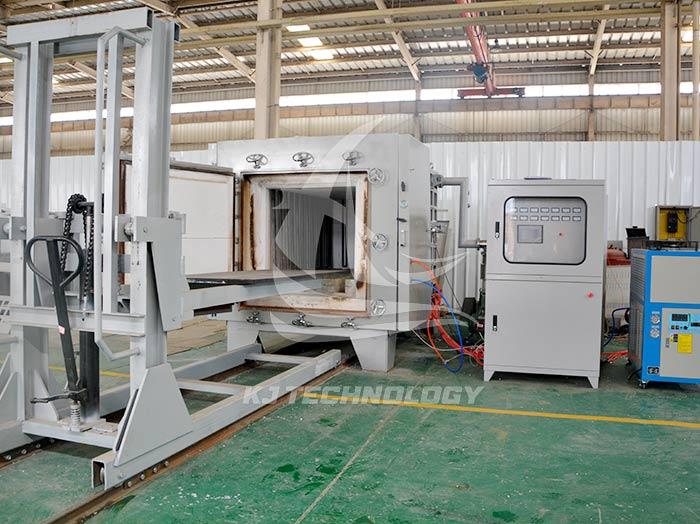
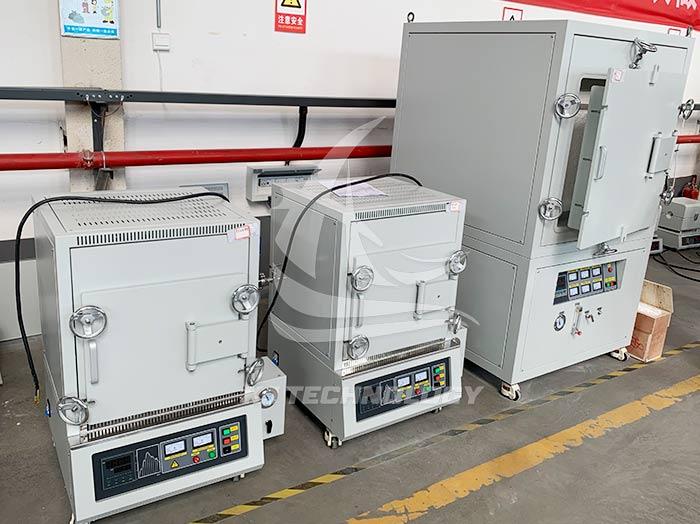
Industrial atmosphere brazing furnace (click on the image to view product details)
Conclusion
A qualified high‑temperature atmosphere brazing furnace delivers clean, residue‑free flux‑free precision joining, dependent on correct working‑temperature grade, shielding‑gas formulation, hot‑zone material and programmable temperature settings.
Our factory supplies customizable atmosphere brazing furnaces ranging from 750℃ low‑temperature aluminium‑brazing equipment all the way up to 1700℃ ultra‑high‑temperature refractory‑metal brazing furnaces. We tailor‑make chamber capacity, hot‑zone structure, gas‑mixing systems and safety configurations according to your workpiece material and production workflow. Reach out for technical parameters and customized quotation support.