Introduction An external heating vacuum furnace, also known as a hot-wall vacuum furnace, is a common lab-grade thermal processing device designed for high-purity heat treatment. Unlike internal heating furnaces that place heaters inside the vacuum chambe
 08-05-2026 Author: KJ technology
Introduction
An external heating vacuum furnace, also known as a hot-wall vacuum furnace, is a common lab-grade thermal processing device designed for high-purity heat treatment. Unlike internal heating furnaces that place heaters inside the vacuum chamber, it installs all heating elements outside the sealed retort, transferring heat through wall radiation. This isolated structure effectively avoids sample contamination and delivers stable oxygen-free heating, making it ideal for laboratory vacuum annealing, powder sintering, degassing and material structural modification.
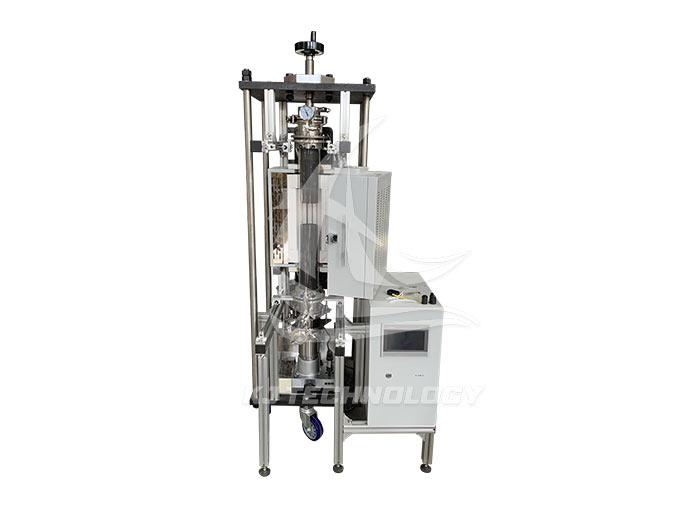
A commonly used external heating vacuum furnace (click on the image to view product details)
1. Working Principle & Core Structure
The furnace completes thermal processing in a fully sealed vacuum or inert atmosphere environment. After samples are placed in the airtight retort, the vacuum system evacuates air and moisture to form a low-oxygen processing space. External heating components heat the retort wall evenly, and heat radiates inward to warm samples steadily without air convection interference.
Its core components include:
- High-temperature sealed retort: Made of quartz, alumina ceramic or heat-resistant alloy, supporting vacuum and atmosphere replacement.
- External heating system: Heaters work under atmospheric pressure with long service life and easy maintenance.
- Vacuum & gas control module: Realizes high vacuum pumping and inert gas filling.
- Precision PID temperature control: Supports multi-stage heating and constant temperature soaking for repeatable experiments.
- Energy-saving insulation structure: Adopts high-temperature ceramic fiber insulation to reduce heat loss.
2. Key Advantages for Laboratory Use
Compared with internal heating vacuum furnaces, the external heating design has unique advantages for lab-scale research:
- Zero contamination: Heaters are isolated from the vacuum cavity, no metal vapor or dust pollutes high-purity samples such as battery materials and semiconductors.
- Low maintenance cost: Heating elements work in normal atmospheric environment, convenient for inspection and replacement without damaging vacuum sealing.
- Uniform radiant heating: Gentle and balanced heat transfer avoids local overheating, protecting delicate lab samples.
- Flexible atmosphere control: Supports vacuum, nitrogen, argon and other protective atmospheres for oxidizable and hydrolyzable materials.
- Compact layout: Bench-top structure saves laboratory space, suitable for university labs and R&D institutions.
3. Core Lab-Scale Applications
3.1 Vacuum Annealing
Vacuum annealing relieves material internal stress, repairs lattice defects and optimizes mechanical, electrical and magnetic properties. The oxygen-free environment completely prevents surface oxidation of alloys, thin films, silicon wafers and new energy electrode materials. Stable radiant heating avoids thermal shock, ensuring uniform grain structure and consistent experimental results.
3.2 Precision Vacuum Sintering
This furnace is widely used for small-batch sintering of advanced ceramics, metal powder alloys, magnetic materials and battery solid electrolytes. The vacuum environment removes air gaps inside powder compacts, effectively improving sample density and mechanical strength. Without heater pollution, it fully meets the high-purity sintering requirements of new material research.
4. Other Common Laboratory Functions
In addition to mainstream annealing and sintering, it supports multiple lab thermal processes: high-temperature degassing of metal samples, atmosphere reduction and nitridation experiments, tiny component vacuum brazing, and thermal stability testing of refractory materials.
5. Selection Tips for Lab Furnaces
When selecting an external heating vacuum furnace, focus on key parameters: maximum working temperature, vacuum degree, temperature uniformity, programmable heating curves and retort material matching your experimental process.
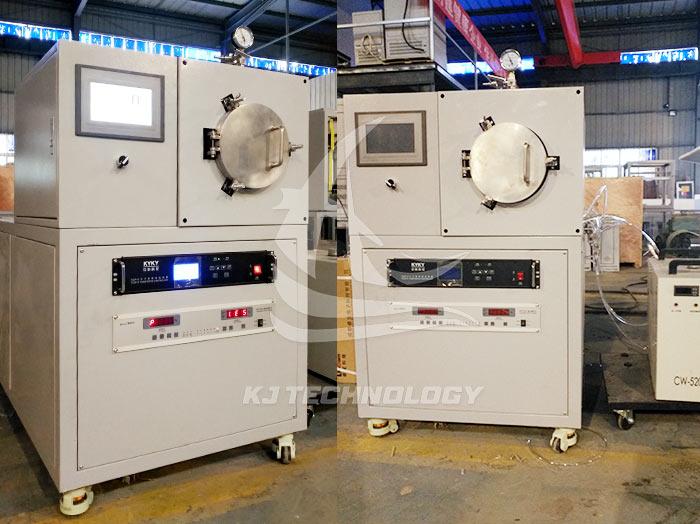
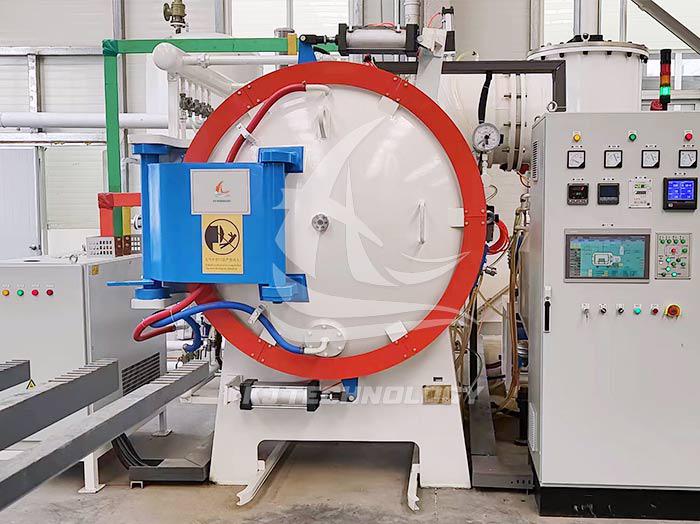
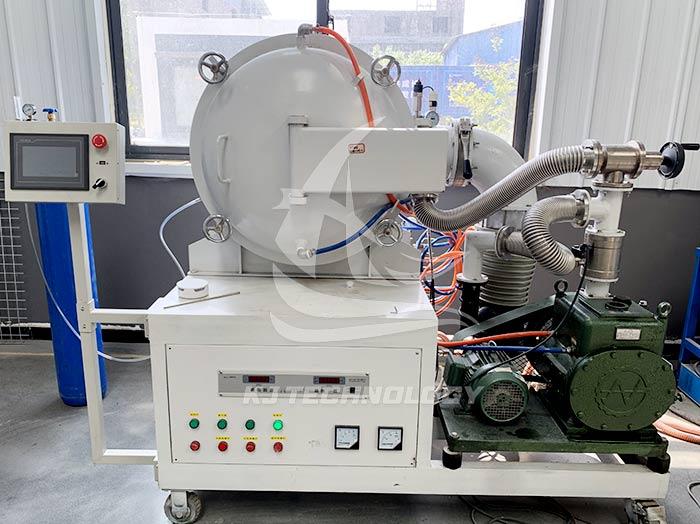
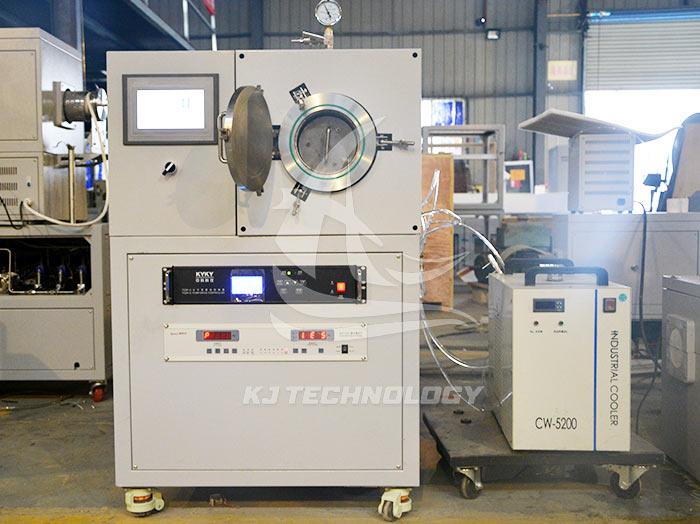
Customized external heating vacuum furnace (click on the image to view product details)
Conclusion
The external heating vacuum furnace is a practical, low-cost and high-purity laboratory thermal processing device. Its separated heating structure, contamination-free performance and stable atmosphere control make it the preferred equipment for material annealing, precision sintering and scientific research experiments in new energy, advanced ceramics and powder metallurgy fields.