Vacuum-pumping atmosphere muffle furnace
 01-07-2026 Author: KJ technology
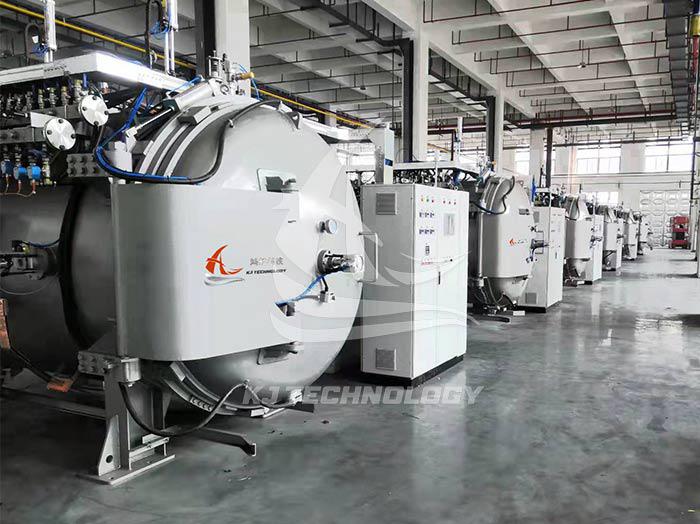
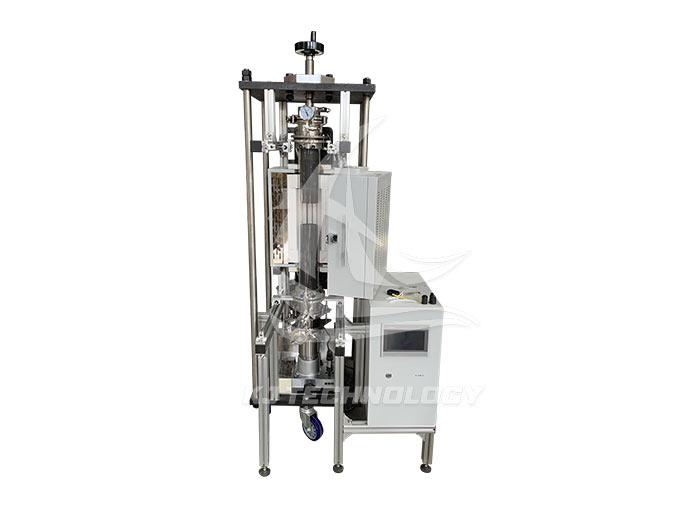
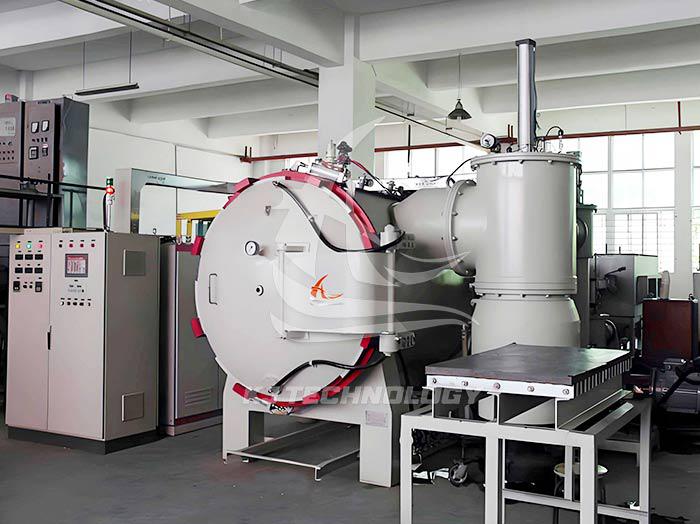
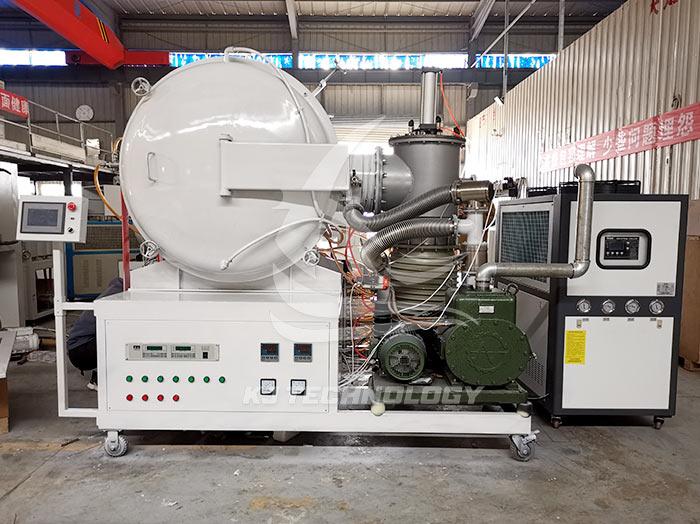
The vacuum atmosphere muffle furnace is a commonly used heat treatment equipment that integrates vacuum environment, atmosphere control, and high-temperature heating functions. Let's take a look at this furnace type from four aspects: core characteristics, working principle, application fields, and selection suggestions!
1. Core Features
Vacuum environment creation: By using a vacuum pump to extract gas from the furnace, a low vacuum (10 ⁻¹~10 ³ Pa) to high vacuum (below 10 ⁻⁴ Pa) environment is formed, effectively eliminating oxygen and moisture, and avoiding material oxidation or gas reactions at high temperatures.
Flexible atmosphere control: Inert gases such as nitrogen and argon, or reducing gases such as hydrogen, can be introduced to meet the heat treatment needs of different materials. For example, inert gas protection can further suppress chemical side reactions and ensure material purity; The hydrogen environment can achieve the reduction reaction of metal oxides.
High temperature precise temperature control: Heating elements such as resistance wires, silicon molybdenum rods, or silicon carbon rods are used to achieve uniform heating. The temperature range is usually from 600 ℃ to 1800 ℃, with a temperature control accuracy of ± 1 ℃ and a temperature field uniformity of ± 1-5 ℃.
Compact and efficient structure: The furnace is generally made of lightweight alumina ceramic fiber material, which has excellent insulation properties, reduces heat loss, and improves heating efficiency. At the same time, the furnace body design is compact, occupying a small area, and easy to install and move.
Complete safety protection: equipped with multiple safety mechanisms such as over temperature protection, gas leakage alarm, and disconnection protection to ensure the safety of the experimental process.
2. Working principle
Vacuum system startup: Use a rotary vane pump or molecular pump to extract gas from the furnace chamber, remove oxygen and water vapor from the air, and provide a basic environment for subsequent atmosphere control and heating.
Atmosphere system regulation: According to process requirements, specific gases are introduced. Use a Mass Flow Controller (MFC) to precisely adjust the ratio and flow rate of each gas, achieving flexible control of the atmosphere.
Heating system operation: Start the heating element and achieve precise temperature adjustment and maintenance through thermocouple feedback and PID temperature controller. The heating rate and holding time can be programmed to adapt to the heat treatment curves of different materials.
3. Application Fields
Metal material processing: annealing, tempering, solution treatment, aging treatment, vacuum brazing, etc., to improve material mechanical properties, eliminate internal stress, and enhance ductility.
Powder metallurgy sintering: To avoid oxidation of powder materials and prepare high-performance metals and composite materials, such as hard alloy (tungsten carbide) sintering, to ensure material hardness.
Preparation of ceramic materials: sintering and melting of ceramics to increase density, reduce porosity, and avoid oxidation, such as high-temperature treatment of ceramics such as alumina and silicon nitride.
Electronic industry manufacturing: semiconductor device manufacturing (such as transistors, integrated circuits), electronic component packaging, achieving high purity, oxidation free treatment, and preventing impurity pollution.
New material research and development: high-temperature synthesis, performance characterization, support for new material development, such as nanomaterial preparation, phase transition research, etc.
Aerospace field: Heat treatment of key materials such as high-temperature alloys and titanium alloys to meet extreme environmental requirements, such as the preparation of turbine blades for aircraft engines.
Glass manufacturing process: melting, opening and other processes to avoid oxidation pollution and improve glass quality.

4. Selection suggestions
Temperature requirement: Determine the model based on the maximum operating temperature of the experiment to avoid blindly pursuing excessively high temperatures and wasting resources. For example, if the maximum temperature of the experiment is 1200 ℃, choosing the 1800 ℃ model will unnecessarily increase costs and energy consumption.
Vacuum degree and atmosphere control: Confirm whether a high vacuum environment or specific atmosphere (such as inert gas, reducing gas) is required, and select the corresponding vacuum pump and atmosphere control system. High vacuum demand requires a combination of molecular pumps, while low vacuum demand can be met by mechanical pumps.
Furnace size and material: Choose the furnace size based on the sample size and quantity to avoid low heating efficiency caused by excessive capacity or work efficiency affected by insufficient capacity. At the same time, pay attention to furnace materials such as high-purity alumina or zirconia bricks to ensure good insulation and long-term stability.
Heating element type: Select the appropriate heating element based on the usage environment (whether there is an oxidizing or reducing atmosphere) and heating frequency. Silicon carbon rods have fast heating speed, good thermal shock resistance, and are suitable for rapid temperature rise and fall requirements; Molybdenum wire heating elements are suitable for higher temperature environments, have a longer lifespan, but come at a higher cost.
Temperature control system accuracy: Pay attention to temperature control errors, temperature uniformity zones, and customizable heat treatment programs to ensure the accuracy of experimental data. Especially for processes that require high temperature uniformity, such as material sintering and ceramic preparation.
Security protection mechanism: Select equipment equipped with comprehensive safety devices and alarm systems, such as over temperature protection, power-off memory, smoke detection, and emergency power-off functions, to ensure the safety of the experimental process.
Brand and after-sales service: Choose suppliers with mature technology and comprehensive services to ensure equipment quality and after-sales service quality. You can refer to industry reputation and user evaluations to understand the long-term performance and failure rate of the equipment.