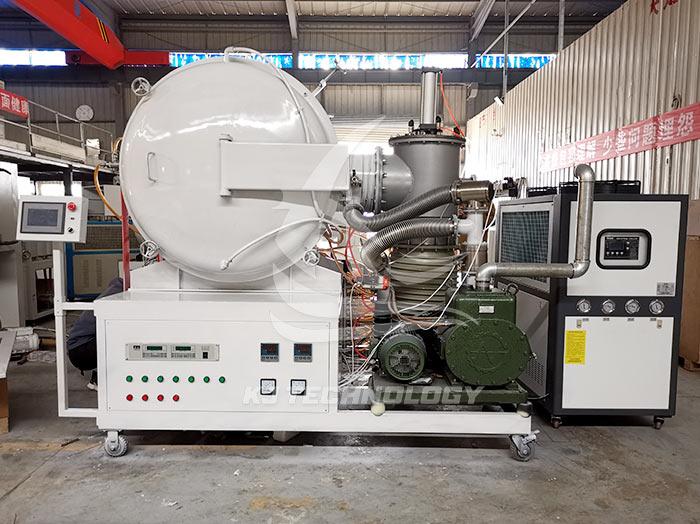
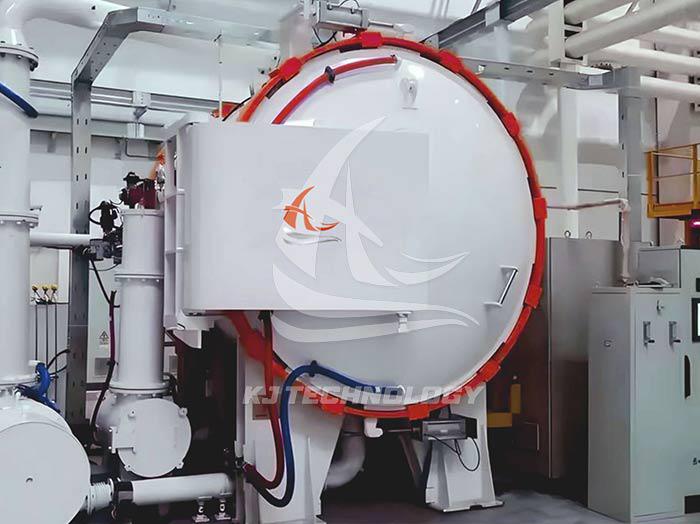
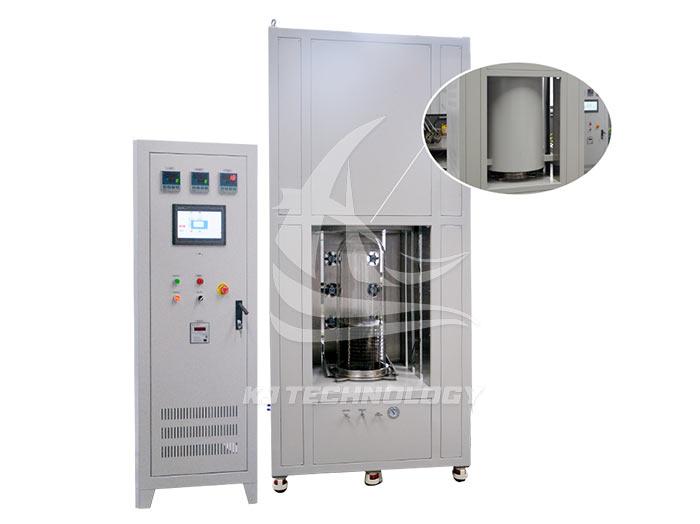
1300℃ high-temperature vacuum brazing electric furnace
 01-08-2026 Author: KJ technology
The 1300℃ high-temperature vacuum brazing electric furnace is a specialized equipment for metal brazing operations conducted under high-temperature (up to 1300℃) and high-vacuum conditions. The following provides a detailed introduction from four aspects: equipment principle, technical characteristics, application fields, and equipment selection and maintenance:
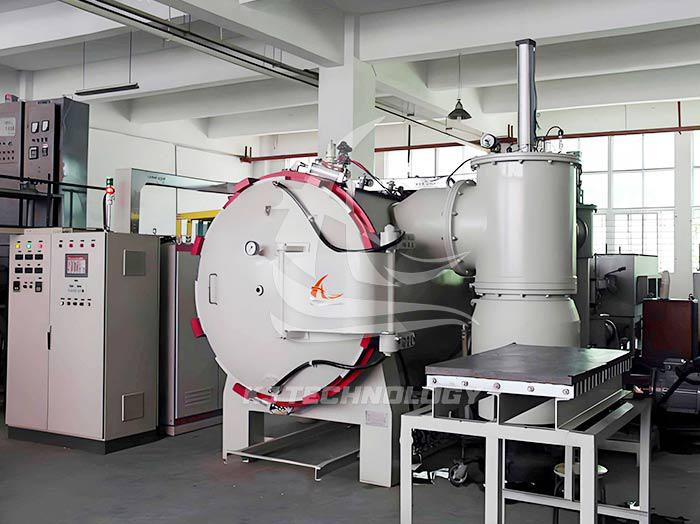
Commonly used high-temperature brazing furnaces (click on the image to view product details)
1. Equipment principle
Vacuum environment creation: The air inside the furnace is pumped out by a vacuum pump to achieve a certain degree of vacuum (usually ≤ 6.67 × 10 ⁻⁴ Pa), reducing or avoiding oxidation and pollution of metal materials during brazing process.
Heating process: In a vacuum environment, the metal material to be brazed is heated to above the melting point of the brazing material through resistance heating (such as a molybdenum sheet heating element), causing the brazing material to melt and fill the gaps between the parts to be connected.
Insulation and cooling: After the brazing material melts, maintain a certain temperature and time to allow the brazing material to fully diffuse and bond with the base material. Subsequently, the connecting parts are made to achieve the predetermined strength and performance through natural cooling or forced cooling.
2. Technical features
High vacuum degree: The leakage rate is extremely low, ensuring that the metal is not oxidized during the welding process and improving the welding quality.
High temperature control: The design temperature can reach 1300 ℃, meeting the brazing needs of various metal materials.
Uniform heating: Adopting a cylindrical heating chamber structure, molybdenum heating elements are uniformly wrapped around the insulation screen to achieve good temperature uniformity (temperature control accuracy ± 1 ℃).
Energy saving and efficient: The heating method can quickly raise the temperature, shorten the process time, and improve production efficiency. For example, raising the room temperature to 1000 ℃ for less than 90 minutes (empty furnace).
Multifunctionality: Suitable for welding various materials, including stainless steel, titanium alloy, high-temperature alloy, hard alloy, etc.
Safe and reliable: equipped with automatic alarm protection functions such as overtemperature, overpressure, overcurrent, as well as sound and light alarm prompts and corresponding interlocking and interlock protection.
3. Application Fields
Aerospace: Used for brazing aircraft components, such as engine blades, turbine disks, etc., to ensure the safety and reliability of space exploration.
Electronics industry: used for producing high-precision electronic components such as integrated circuits, transistors, etc., to avoid oxidation and pollution, and to ensure the stability and reliability of soldering.
New energy industry: Used for connecting efficient and durable batteries and battery packs in fields such as photovoltaics, wind energy, and electric vehicles, to improve the performance and lifespan of new energy equipment.
Medical equipment: used for high vacuum degassing treatment of medical memory alloy products, medical X-ray tubes, etc., to enhance product performance.
Mechanical manufacturing: used for brazing high-quality mechanical components such as engines and hydraulic systems to improve product reliability and durability.
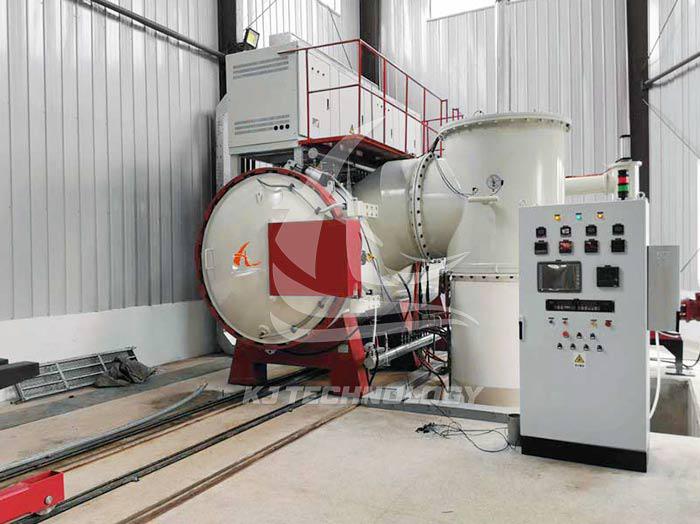
Customized industrial high-temperature brazing furnace (click on the image to view product details)
4. Equipment selection and maintenance
Equipment selection:
Select the appropriate furnace structure (such as horizontal, single chamber) and workspace size based on the type and size of welding materials.
Select the appropriate heating power and temperature control accuracy according to the welding process requirements.
Consider key performance indicators such as vacuum degree and pressure rise rate of the equipment.
Equipment maintenance:
Regularly inspect the working status of key components such as vacuum pumps and vacuum gauges to ensure the normal operation of the vacuum system.
Regularly clean the impurities and oxides in the furnace to maintain its cleanliness and dryness.
Regularly check the aging condition of heating elements and insulation components, and replace damaged parts in a timely manner.
Strictly follow the operating procedures to avoid equipment damage or safety accidents caused by misoperation.