What Processes Can a Hot Wall Vacuum Furnace Be Used For?
 11-26-2026 Author: KJ technology
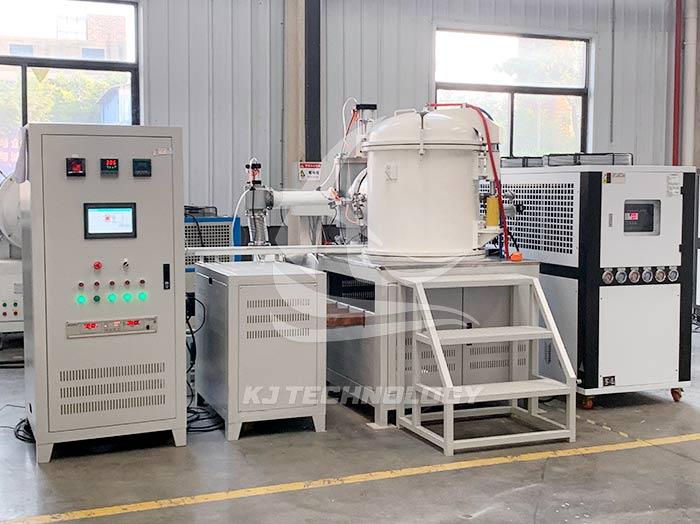
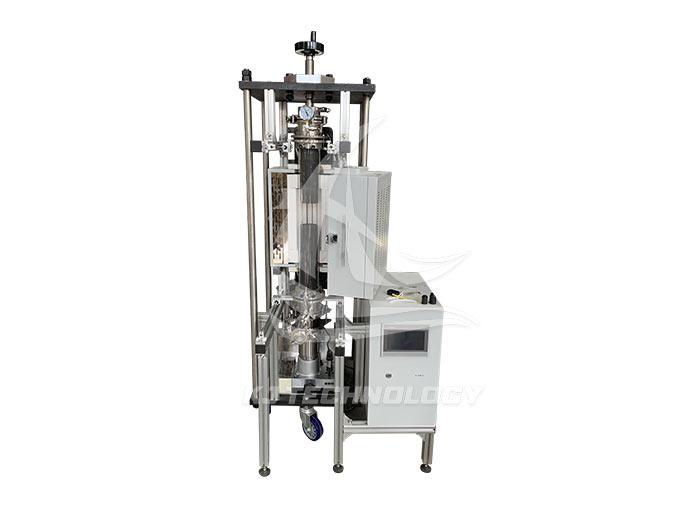
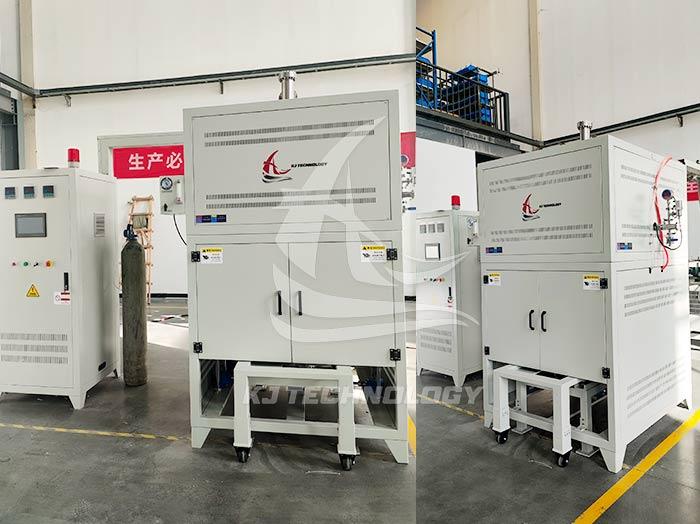
A hot wall vacuum furnace, also known as an externally heated vacuum retort furnace, places heating elements outside the sealed vacuum vessel. Heat transfers uniformly through the retort wall by radiation, delivering excellent temperature consistency across the whole working zone. Unlike cold wall vacuum furnaces, it is widely preferred for low-to-medium temperature processes requiring stable atmosphere, clean heating and consistent thermal distribution. It is commonly used in material laboratories, electronic ceramics, powder metallurgy and precision metal manufacturing. Below are its main applicable thermal processes.
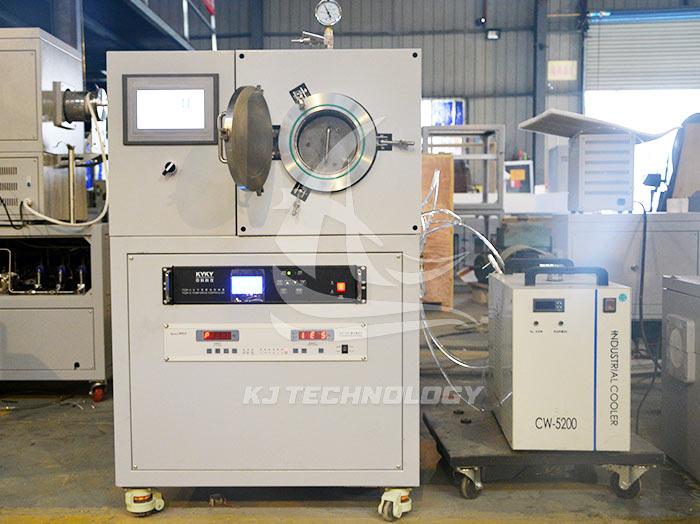
Commonly used external heating vacuum fireplace (click on the image to view product details)
1. Vacuum Annealing and Stress Relief
Vacuum annealing is one of the most typical applications of hot wall vacuum furnaces. Under high-purity vacuum or inert gas atmosphere, workpieces such as stainless steel, titanium alloys, nickel-based alloys, stamped and welded components can be heated slowly to release internal residual stress, soften the material structure, and improve ductility and toughness. The sealed retort prevents surface oxidation and discoloration, producing bright, clean parts without extra pickling. This process is widely used for precision medical components, aerospace fasteners and electronic base materials.
2. Debinding and Pre-sintering of Ceramic and Powder Compacts
Green bodies of advanced ceramics, magnetic ferrites and powder metallurgy parts contain organic binders. Hot wall vacuum furnaces perform low-temperature debinding (dewaxing) to volatilize and decompose binders gently before formal sintering. Thanks to its uniform温场 (temperature field), the binder is removed evenly without cracking, bubbling or local deformation of the green parts. After debinding, the furnace can continue to run pre-sintering to increase the blank strength for subsequent handling.
3. Precision Vacuum Sintering
Hot wall vacuum furnaces support small-batch sintering of advanced ceramics, magnetic materials, solid electrolyte materials and metal powder compacts. The stable vacuum environment eliminates air pockets inside powder blanks and helps improve sintered density and mechanical performance. Since there is no internal heating element contamination inside the retort, it meets the high-purity requirements for new material R&D and sample trial production. It is especially suitable for laboratory and pilot-scale sintering rather than ultra-high temperature refractory metal sintering.
4. Vacuum Brazing
Vacuum brazing joins multiple metal components together with brazing filler metal in a controlled vacuum or inert atmosphere. The uniform temperature zone of a hot wall furnace ensures that brazing filler melts evenly and flows fully at the same time, avoiding local overheating or insufficient wetting. It is suitable for small precision assemblies, heat exchangers, ceramic-metal composite parts and sensor components that require clean, oxide-free brazing joints.
5. Degassing and Aging Treatment
For materials that easily trap gas inside the matrix, such as copper alloys, target blanks and polymer-derived ceramic samples, vacuum degassing removes hydrogen, moisture and residual volatile impurities. Hot wall vacuum furnaces are also used for artificial aging and precipitation hardening of aluminum alloys and non-ferrous alloys, stabilizing material microstructure and improving hardness and mechanical properties.
6. Controlled Atmosphere Surface Treatment
Many hot wall vacuum furnaces can work with mixed process gases besides pure vacuum, supporting gas nitriding, nitrocarburizing and other case-hardening processes. The airtight retort locks process gas stably, and the consistent temperature ensures uniform case depth on the workpiece surface. This makes it a good choice for surface modification of gears, molds and mechanical parts that require wear-resistant layers.
Key Limitations for Process Selection
Hot wall vacuum furnaces feature outstanding temperature uniformity, but they are limited in maximum working temperature and cooling speed. Due to the large thermal inertia of the heated retort, cooling is relatively slow. If you need ultra-high temperature processing above 1200°C or fast gas quenching, a cold wall vacuum furnace is usually a better option.
Suitable Industries
- University and R&D laboratories for new material formulation testing
- Electronic ceramics, ferrite and magnetic material production
- Precision metal parts, medical implant and aerospace component processing
- Powder metallurgy and additive manufacturing post-treatment
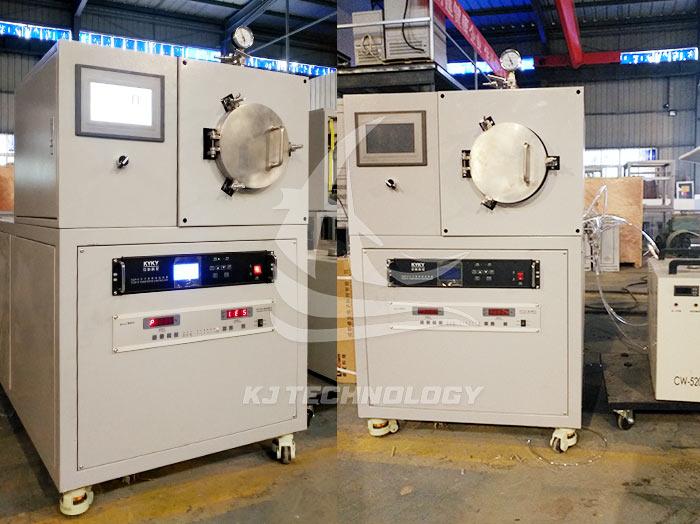
Customized external heating vacuum fireplace (click on the image to view product details)
Final Tips
When selecting a hot wall vacuum furnace, confirm your target process first: working temperature, vacuum level, gas type, loading size and required temperature uniformity. Most suppliers offer custom retort sizes, heating curves and gas control systems to match annealing, debinding, sintering or brazing workflows.