What Parameters Matter When Sourcing Industrial Vacuum Degreasing and Sintering Integrated Furnace?
 10-13-2026 Author: KJ technology
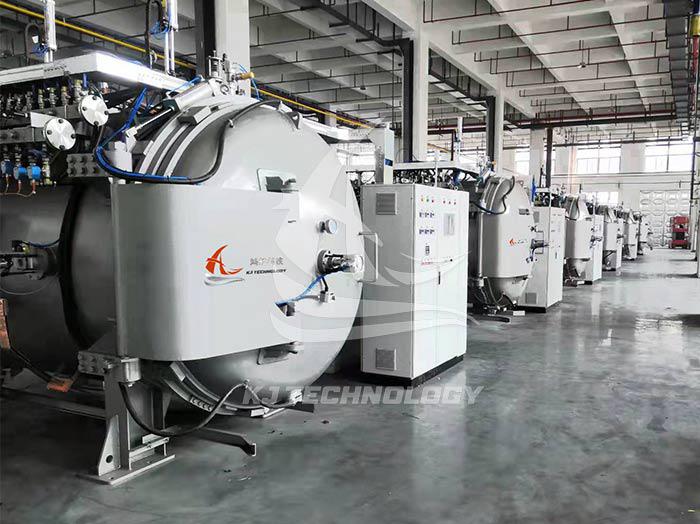
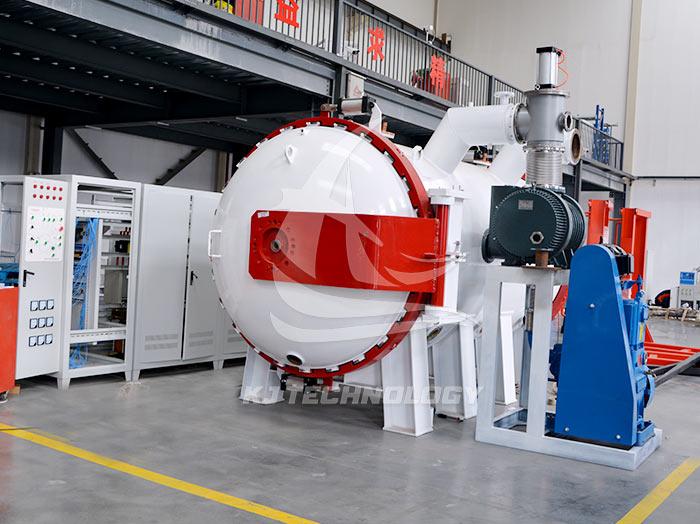
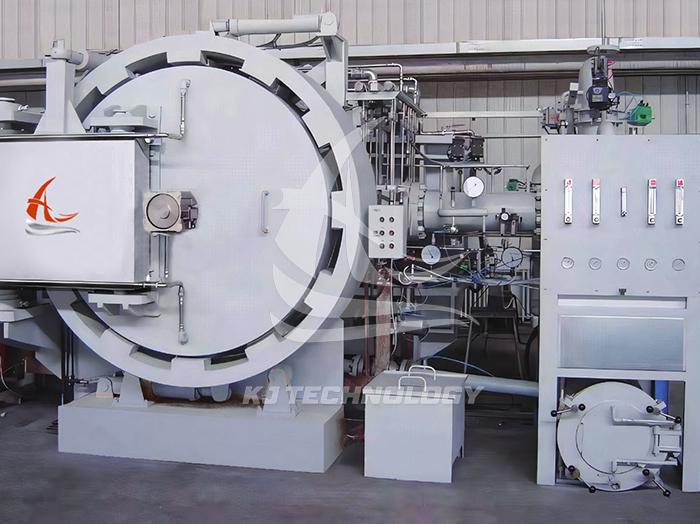
A vacuum degreasing and sintering integrated furnace, also widely named vacuum debinding sintering furnace, combines the debinding (degreasing) stage and high-temperature sintering stage inside one furnace chamber. Instead of using separate debinding oven and sintering furnace, this all-in-one equipment reduces workpiece transfer, lowers contamination risk and improves production consistency. It has become mainstream equipment for MIM metal injection molding, cemented carbide, magnetic materials, powder metallurgy and advanced ceramics.
However, many buyers overlook critical technical parameters and end up with poor degreasing effect, carbon residue, unstable sintered density or frequent furnace maintenance. Below we list the key parameters you must evaluate before placing an order.
1. Temperature Index: Peak Temperature & Temperature Uniformity
Temperature is the foundation of sintering quality. You need to separate maximum peak temperature and continuous long-running temperature. For long-term stable production, the continuous working temperature is usually 50~100℃ lower than the rated peak temperature.
Temperature uniformity in the effective hot zone directly decides consistent density and dimensional tolerance of batches of parts. For mass production, temperature uniformity within ±5℃ is commonly required. Poor uniformity causes uneven shrinkage and high rejection rate.
The heating element and insulation material also matter. Graphite thermal insulation is widely adopted for this type of furnace, which can resist volatile binder erosion released during degreasing.
2. Vacuum System & Leak Rate
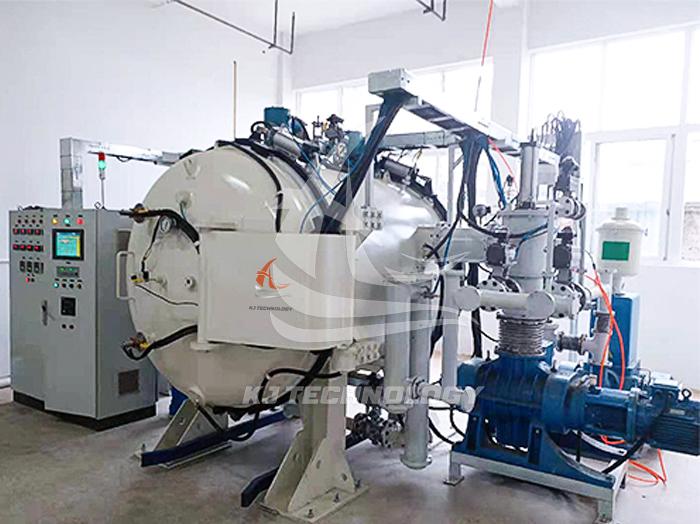
The vacuum system serves two purposes: removing organic binder vapors during degreasing, and maintaining clean vacuum environment for sintering.
Pay attention to ultimate vacuum and pressure rise rate (leak rate). A low leak rate prevents air infiltration and workpiece oxidation. For carbide and high-performance powder materials, high vacuum level is required in the sintering phase.
One important reminder: the vacuum pump set must be equipped with anti-pollution protection. A large amount of organic volatiles will be released in degreasing stage. Without cold trap or filter, binder vapors may contaminate pumps and shorten pump service life.
3. Degreasing / Debinding Exhaust System
This is the most distinctive parameter compared with ordinary vacuum sintering furnaces. The exhaust channel must smoothly extract decomposed binder gas.
Check the design of exhaust pipeline, cold trap and condensate collection tank. If the volatile organics cannot be discharged timely, carbon residue will deposit on workpieces, hot zone and furnace lining, resulting in black spots on finished products.
You also need to confirm the heating rate control for low-temperature degreasing. Slow staged heating curve prevents rapid binder boiling, which avoids bubbling, cracking or deformation of green bodies.
4. Effective Hot Zone Size & Load Capacity
Do not judge the furnace by outer vessel dimension. Focus on the effective hot zone size, the usable space with qualified temperature uniformity.
Confirm the maximum loading weight per batch, workpiece dimension and daily output. Overloading will weaken degreasing efficiency and worsen temperature distribution.
Two main structural types: single-chamber integrated furnace and semi-continuous furnace. Single-chamber models are cost-effective for medium and small batch production. Continuous type is for large-volume powder metallurgy workshops.
5. Atmosphere Control System
Many processes need protective gas assistance. In the degreasing stage, low-pressure inert gas (nitrogen or argon) can help carry away binder vapor. In sintering stage, controlled partial pressure atmosphere is required for certain alloy and ceramic materials.
Check gas path quantity, mass flow meter precision and gas mixing function. Stable gas flow control ensures repeatable production recipes.
6. Control System & Process Data Recording
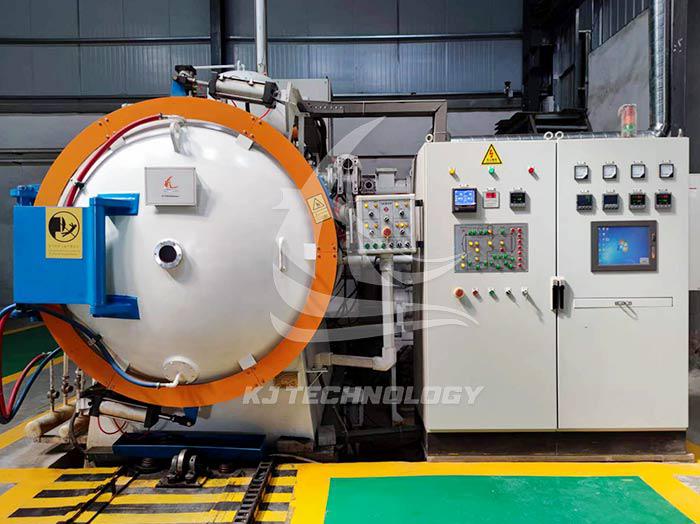
Industrial integrated furnaces use PLC + touch screen automatic control. It should store multiple complete process recipes, including staged degreasing heating, holding, vacuum adjustment and sintering curve.
Data logging function is essential. The system needs to record temperature, vacuum value, gas flow and alarm history for every batch. These records support quality traceability, which is mandatory for automotive, medical and aerospace MIM components. Remote diagnosis function is a bonus to reduce downtime.
7. Safety Design & Compliance
During degreasing, organic volatile gas may form flammable mixture. Safety interlocks cannot be skipped. Standard safety configurations include over-temperature protection, over-pressure relief, gas leakage detection, furnace door interlock and emergency stop.
For overseas projects, confirm CE, ISO or other certification requirements in advance. Also check workshop utility conditions: power supply, cooling water and waste condensate collection pipeline.
8. Customization & After-sales Support
Standard furnaces may not match special green body or binder formula. Reliable manufacturers can customize hot zone layout, exhaust capacity, condensate collection structure and loading fixture according to your process.
Compare total cost instead of only initial purchase price. Evaluate spare parts cycle, on-site maintenance response and technical support for process debugging.
Pre-inquiry Checklist
Sort out the following information before sending RFQ to suppliers:
1. Workpiece material, green body formula and binder type
2. Single batch loading weight and daily production capacity
3. Required maximum sintering temperature and vacuum requirement
4. Allowable residual carbon standard and finished part quality requirements
5. Available workshop utilities and certification standards
Conclusion
Sourcing an industrial vacuum degreasing and sintering integrated furnace requires comprehensive assessment, not only looking at temperature and vacuum parameters. The degreasing exhaust and condensate trapping system is the core to avoid carbon residue defects. Matching hot zone size, automatic recipe control and reliable after-sales service will guarantee stable mass production for MIM, cemented carbide and powder metallurgy products.
Contact our technical team for process consultation and quotation if you need customized vacuum debinding and sintering furnace solutions.