Key points for selecting a small stainless steel bright annealing vacuum furnace
 04-22-2026 Author: KJ technology
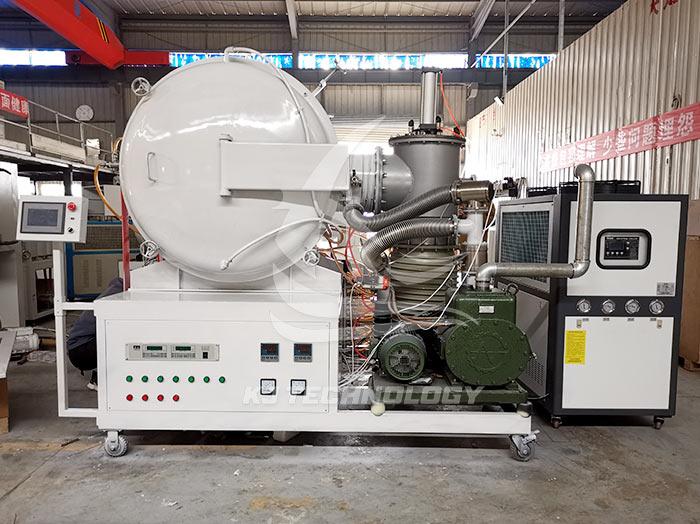
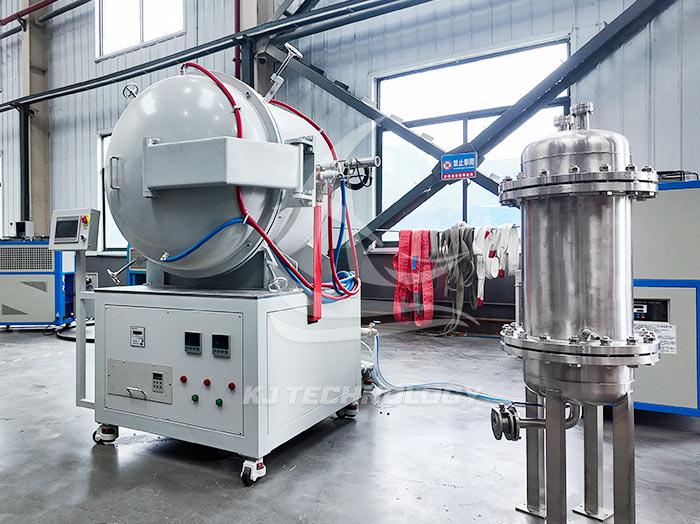
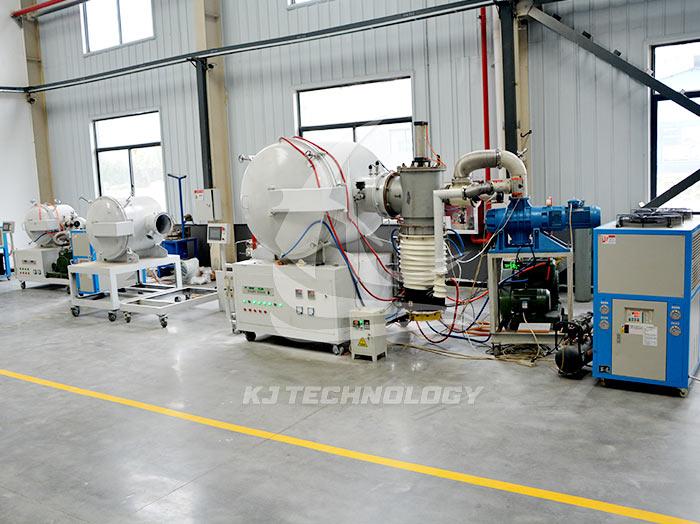
Selecting a small stainless steel bright annealing vacuum furnace requires focusing on practicality, stability, and cost-effectiveness. As essential equipment for small-batch production, laboratory research, and precision component processing, it achieves non-oxidation, non-decarburization, and smooth surface finish for stainless steel workpieces. This article simplifies the key selection points to help overseas purchasers and researchers choose suitable equipment efficiently.
1. Clarify Core Application Requirements
Define your needs first to determine equipment model and configuration:
- Material & Workpiece Specifications: Different stainless steels (304, 316, 316L) have distinct annealing temperatures (304: 1050-1150℃; 316: 1080-1180℃). Confirm workpiece size and weight to select the right effective working area.
- Batch & Efficiency: Choose simple single-chamber furnaces for laboratory/trial production; opt for programmable, automatic feeding/discharging models for continuous small-batch production.
- Surface Brightness: High-brightness (mirror-like) workpieces require better vacuum, temperature uniformity, and protective gas; adjust configuration for general surface needs to control costs.
2. Focus on Core Performance Parameters
Key parameters directly affect annealing quality and equipment life:
2.1 Vacuum Degree
A minimum ultimate vacuum of 10⁻³ Pa is required; choose 10⁻⁴ Pa or higher for high-brightness workpieces. Pay attention to pumping speed and pressure holding capacity to avoid air leakage and oxidation.
2.2 Temperature Parameters
- Maximum Working Temperature: 50-100℃ higher than the actual annealing temperature to avoid overloading.
- Temperature Uniformity: Control the effective working area temperature difference within ±3℃~±5℃; ask for a test report.
- Temperature Control Precision: Select intelligent systems with ±1℃ precision and multi-segment programming for process stability.
2.3 Effective Working Area
Match workpiece size—10-20% larger than the maximum workpiece to ensure uniform temperature. Avoid oversized/undersized furnaces to save energy and cost.
2.4 Heating & Cooling System
Choose resistance wire/band heating for fast speed and long life. Opt for controllable cooling; inert gas cooling is recommended for high-brightness workpieces.
3. Pay Attention to Equipment Structure & Configuration
3.1 Furnace Body Structure
Tubular furnaces suit long/thin workpieces (pipes, wires); box furnaces are for irregular parts. Choose based on workpiece shape.
3.2 Vacuum System
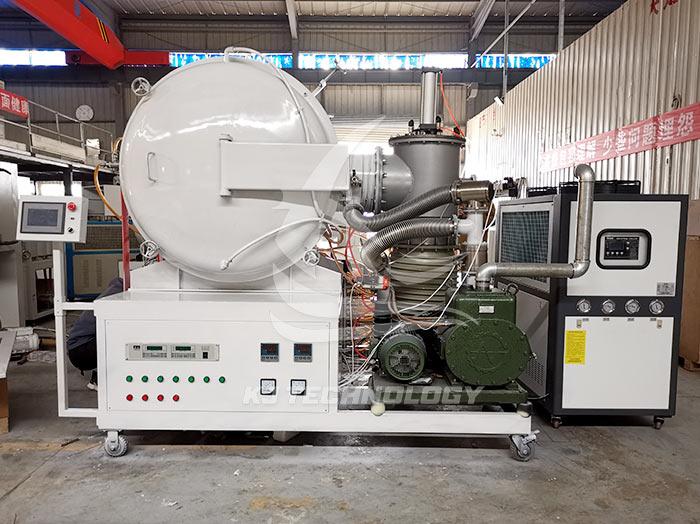
Select multi-stage vacuum pump sets (mechanical + diffusion/molecular pumps) for fast, stable vacuum. Avoid low-quality single-stage pumps.
3.3 Protective Gas & Safety
Ensure gas inlet/outlet, pressure regulator, and flow meter; add gas purification for high brightness. Prioritize complete safety protection (over-temperature, vacuum abnormal, power failure protection).
4. Consider Manufacturer Strength & After-Sales
For overseas purchasers, choose manufacturers with CE/ISO certifications, overseas after-sales (installation, training, spare parts), and relevant industry cases to ensure long-term use.
5. Balance Cost & Cost-Effectiveness
Avoid low-price equipment (often cut corners). Prioritize performance, configuration, and after-sales to reduce long-term maintenance and production losses.
Conclusion
Selecting the right small stainless steel bright annealing vacuum furnace relies on clarifying needs, focusing on core parameters, and balancing cost-effectiveness. Grasp these points to avoid detours and choose suitable equipment.