Aluminum brazing is vital in automotive, aerospace, refrigeration, and electronics for lightweight, high-strength joints. A low temperature vacuum furnace is key to high-quality brazing, avoiding oxidation and flux contamination. With various models available, choosing the right one can be tricky.
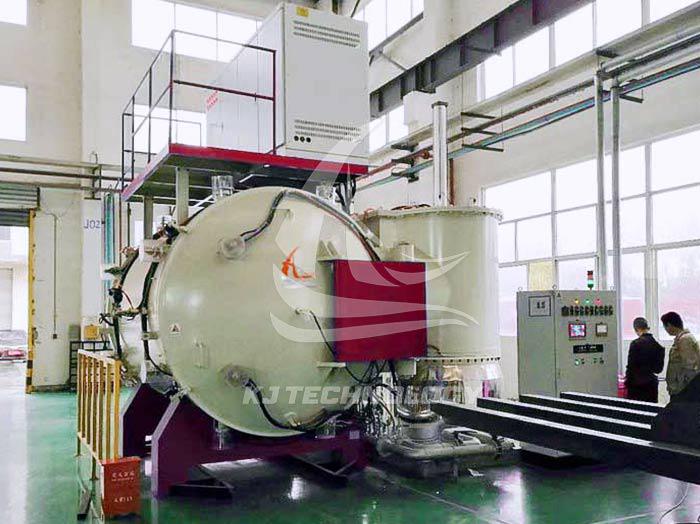
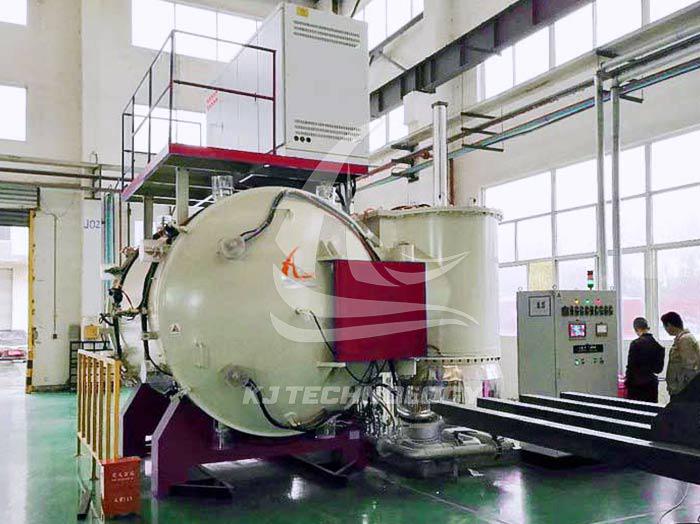
Commonly used aluminum brazing vacuum furnace (click on the image to view product details)
Step 1: Clarify Your Aluminum Brazing Requirements (Cost-Effectiveness Foundation)
Align the furnace with your specific needs to avoid over/underconfiguration, focusing on three core factors:
1. Define Your Application Scenario & Workload
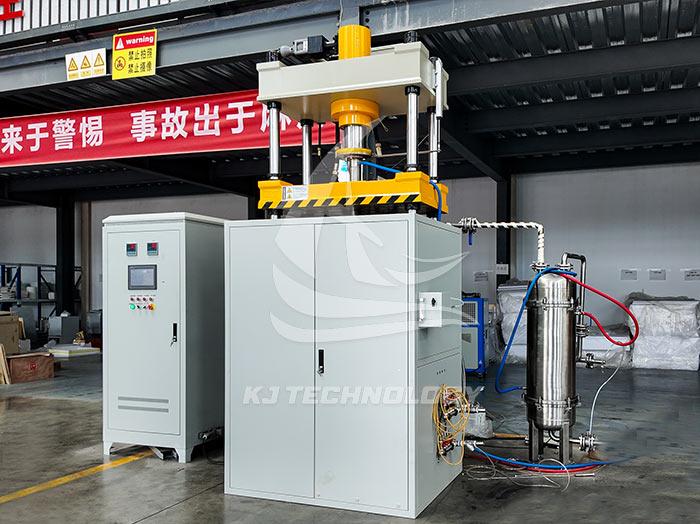
Choose a compact furnace with a small hot zone (e.g., 300×300×500mm) for laboratory R&D. For industrial production (automotive heat exchangers, aerospace components), opt for a larger hot zone with continuous operation. Consider workpiece size and complexity—spacious hot zones ensure uniform heating for large/complex parts.
2. Confirm Temperature Requirements
Aluminum brazing typically requires 580℃-620℃. Select a furnace with a maximum operating temperature of 700℃-850℃ for a safe margin; avoid excessively high temperatures to cut costs.
3. Identify Vacuum & Atmosphere Needs
An ultimate vacuum degree of 10⁻³Pa to 10⁻⁴Pa suffices for most applications. Use a single-stage rotary vane pump for basic needs, or a turbomolecular-foreline pump combo for high-precision work. Confirm if inert gas (argon, nitrogen) is needed for cooling/protection.
Step 2: Focus on Key Parameters (Furnace Performance)
Evaluate these parameters to ensure the furnace meets brazing quality and efficiency demands.
1. Temperature Control Precision & Uniformity
Aluminum brazing is temperature-sensitive. Look for PID control, high-precision thermocouples (±1℃ accuracy), and hot zone uniformity (±5℃). Multi-segment programmed heating is essential for precise process curves.
2. Vacuum System Quality & Sealing
Prioritize high-quality vacuum pumps and 304 stainless steel flanges with high-temperature gaskets to prevent leakage. A leak rate ≤1Pa/h is critical to avoid oxidation.
3. Heating & Cooling Systems
Nickel-chromium or molybdenum heating elements are ideal for low-temperature brazing. Choose gas cooling (argon/nitrogen) for controlled rates (10-50℃/min) to reduce thermal stress; industrial models may offer pressure quenching for efficiency.
4. Furnace Chamber Material & Design
Use high-temperature, corrosion-resistant materials (stainless steel, molybdenum screens) to avoid workpiece contamination. Hot wall design is preferred for temperatures below 750℃; modular designs ease maintenance.
Step 3: Consider Manufacturer & After-Sales Service
Don’t focus solely on initial price—manufacturer reputation and after-sales reduce long-term costs:
1. Choose a Reputable Manufacturer
Select experienced manufacturers with strict quality control. Avoid unqualified small manufacturers with poor performance and short service lives.
2. Evaluate After-Sales Service
Ensure on-site installation, commissioning, training, 24-hour fault response, and a ≥1-year warranty. Sufficient spare parts and process guidance maximize furnace performance.
Common Pitfalls to Avoid
Pitfall 1: Prioritizing Price Over Quality
Low-cost furnaces use inferior components, causing frequent failures and high long-term costs.
Pitfall 2: Overlooking Temperature Uniformity
Poor uniformity leads to uneven brazing, weak joints, and high rejection rates—verify it before purchase.
Pitfall 3: Overconfiguring
Avoid high-vacuum/automated furnaces for basic brazing—they increase unnecessary costs.
Pitfall 4: Ignoring Energy Efficiency
Choose energy-saving insulation and heating elements to cut long-term energy costs by 30%+.
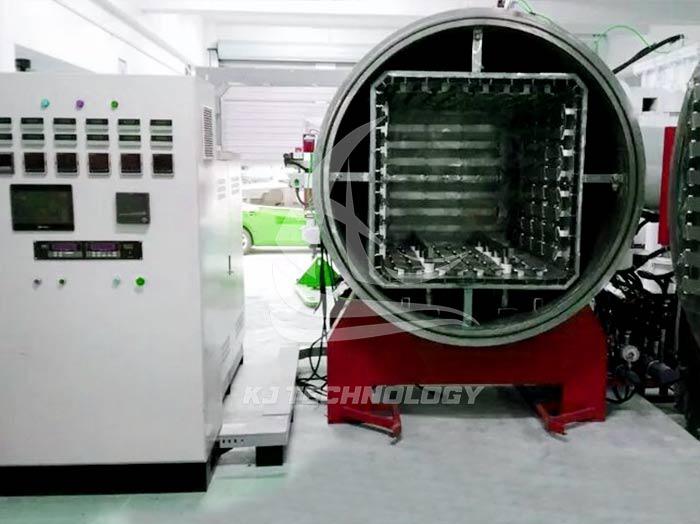
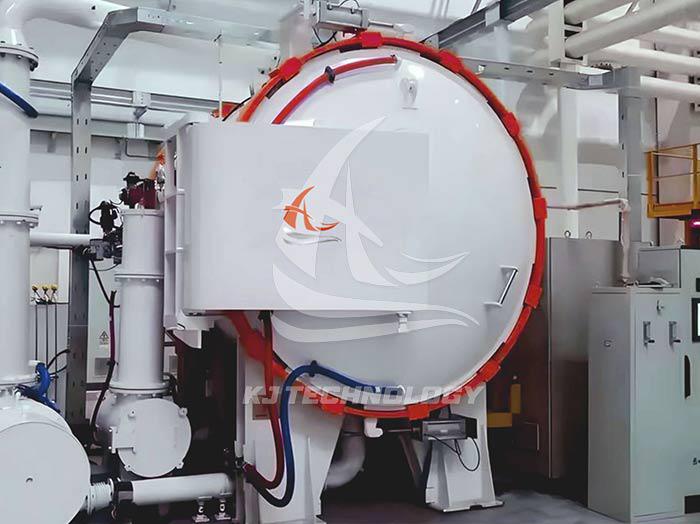
Industrial aluminum brazing vacuum furnace (click on the picture to view product details)
Conclusion
Choosing the right furnace balances your needs, key parameters, and manufacturer reliability. By clarifying requirements, focusing on critical features, and avoiding pitfalls, you ensure high-quality brazing, lower costs, and better efficiency.
The best furnace fits your process and offers long-term reliability. With this guide, you can make an informed decision that adds value to your business.
 04-20-2026 Author: KJ technology