Vacuum Sintering Integrated Furnace: Principle, Advantages & Application Guide
 04-17-2026 Author: KJ technology
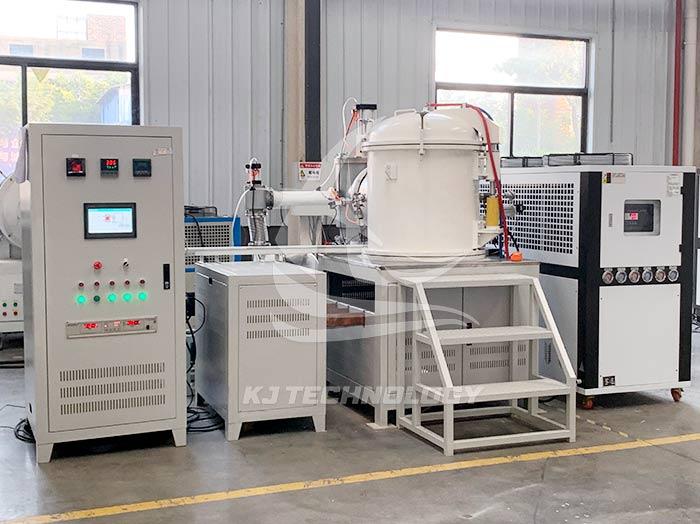
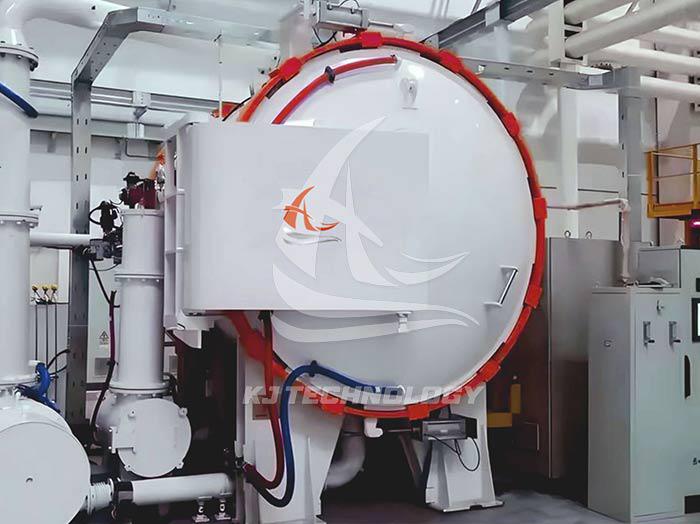
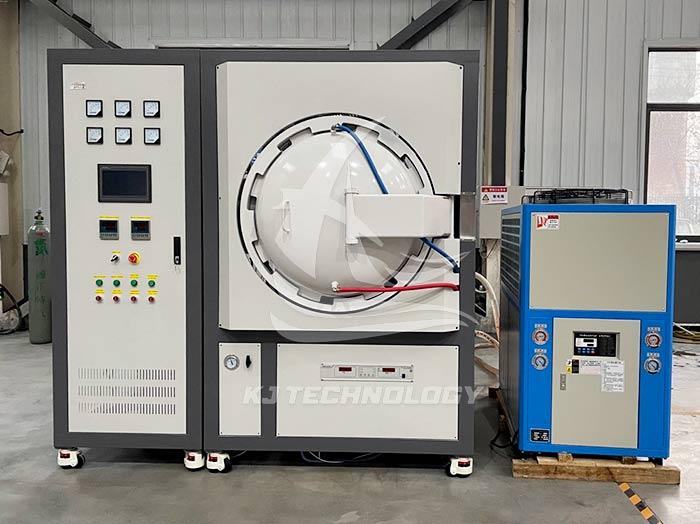
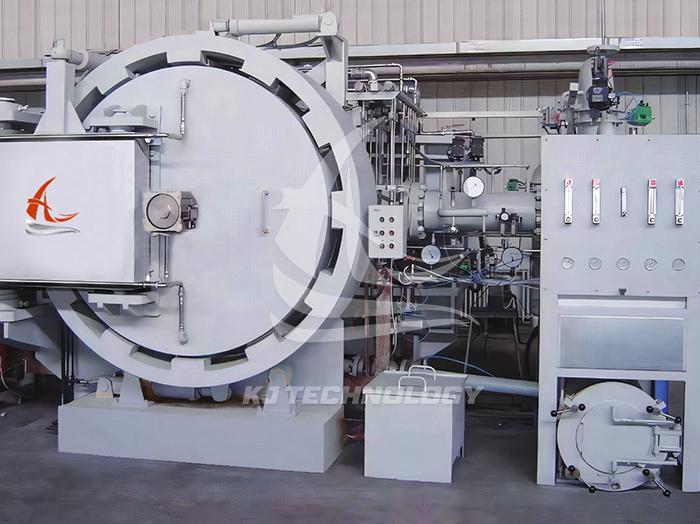
In the fields of high-end manufacturing such as metal injection molding (MIM), cemented carbide, and advanced ceramics, the vacuum sintering integrated furnace has become a core equipment to solve the pain points of low production efficiency, poor product consistency, and high energy consumption. As an integrated device that combines vacuum degreasing (dewaxing) and high-temperature sintering, it not only simplifies the production process but also ensures the high purity and excellent performance of products. This article will comprehensively explain the working principle, core advantages, application fields and selection skills of the vacuum sintering integrated furnace.
What is a Vacuum Sintering Integrated Furnace?
Core Advantages of Vacuum Sintering Integrated Furnace (Why Choose It?)
1. High Efficiency & Energy Saving, Shorten Production Cycle
2. High Product Purity & Stable Quality
3. Environmental Protection & Safety, Meet International Standards
4. Versatility & Customization, Adapt to Multiple Scenarios
The vacuum sintering integrated furnace has strong versatility and can be widely used in the degreasing and sintering of various materials, including cemented carbide, stainless steel, magnetic materials, ceramic powder, titanium alloy, nickel-based superalloy and other materials. It supports inert protective atmospheres such as Ar and N₂, and can be adjusted according to different material processes. In addition, manufacturers can provide non-standard automatic customization services according to the actual needs of enterprises, such as adjusting the size of the working area, the maximum temperature, the load capacity, etc., to meet the personalized production needs of different industries and enterprises.
Application Fields of Vacuum Sintering Integrated Furnace
1. Metal Injection Molding (MIM) Industry
2. Cemented Carbide Industry
3. Military & Aerospace Industry
4. New Energy & New Materials Field
5. Magnetic Materials Industry
Used for the sintering of neodymium-iron-boron (NdFeB) permanent magnets, soft magnetic materials and other products. It can prevent rare earth elements (such as neodymium) and iron from oxidizing at high temperatures, ensuring the high magnetic energy product and stability of the magnet.
Key Selection Criteria for Vacuum Sintering Integrated Furnace
Temperature Control Accuracy: The maximum temperature and temperature control accuracy of the equipment should be matched with the production process. For example, the sintering temperature of cemented carbide is about 1500℃, while the sintering temperature of tungsten alloy needs to reach 2200℃; the temperature control accuracy should be within ±5℃ to ensure product consistency.
Vacuum Degree & Leak Rate: The ultimate vacuum degree of the equipment should be ≤2Pa, and the pressure rise rate should be ≤1Pa/h, which can effectively ensure the purity of the sintering environment and avoid product oxidation.
Load Capacity & Working Area: According to the production scale and the size of workpieces, choose the appropriate load capacity and working area. For large-scale production, you can choose equipment with a load capacity of 500kg or more, which can improve production efficiency.
Automation Level: Choose equipment with PLC automatic control, remote monitoring and data management functions, which can reduce manual operation errors, improve production efficiency, and facilitate production management.
After-sales Service & Certification: Choose manufacturers with perfect after-sales service and authoritative certifications (such as AMS 2750, ISO 13485), which can ensure the stable operation of the equipment and timely solve the problems encountered in the use process.
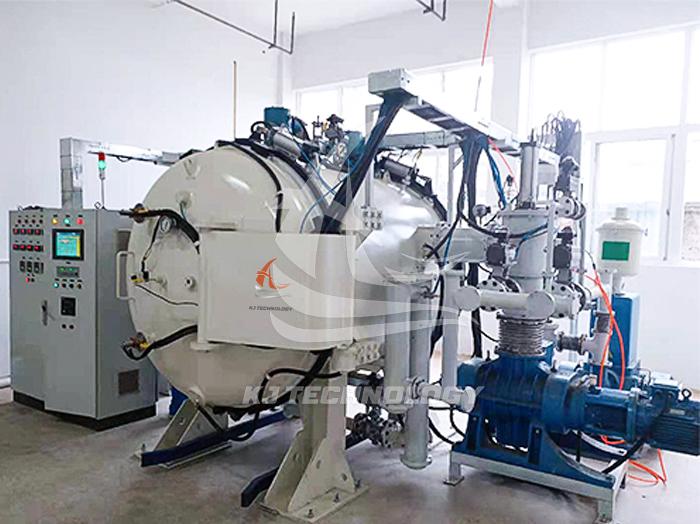
Industrial degreasing sintering integrated furnace (click on the picture to view product details)