How to choose a stainless steel bright annealing vacuum furnace?
 03-02-2026 Author: KJ technology
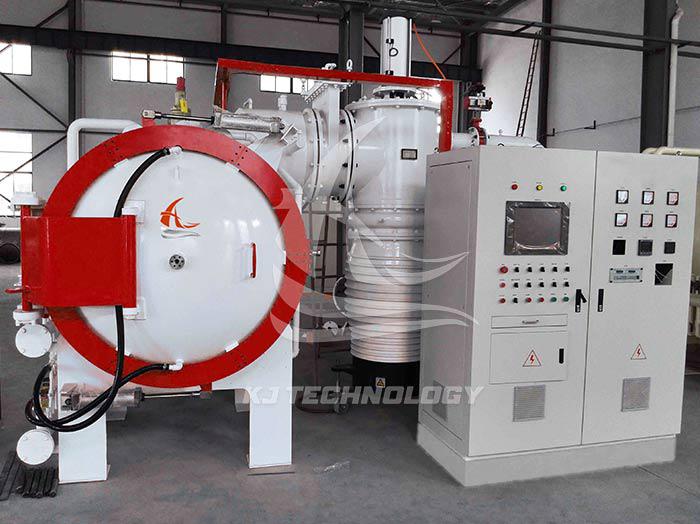
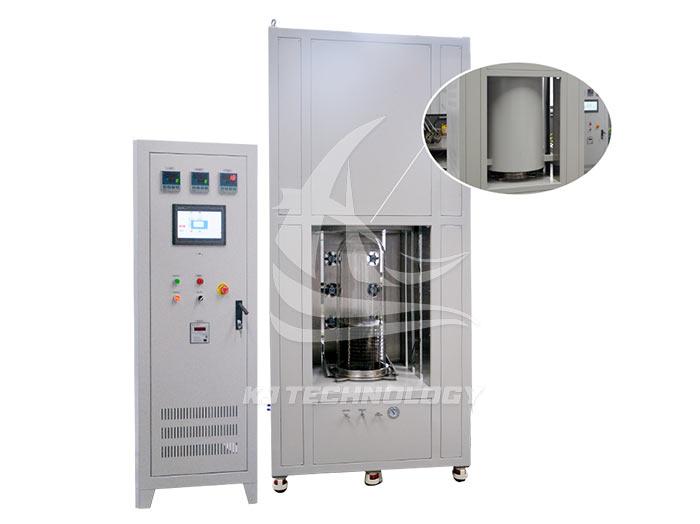
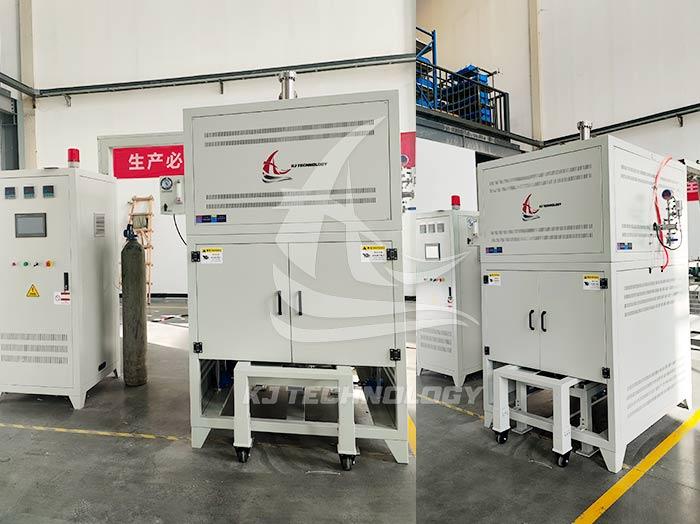
When choosing a stainless steel bright annealing vacuum furnace, it is necessary to comprehensively evaluate the core dimensions such as temperature control, vacuum system, heating and cooling technology, furnace structure, control system, safety and stability, brand and after-sales service, and select based on specific process requirements. Let's take a detailed look below!
1. Temperature control capability
Temperature uniformity: This is a key indicator for measuring the temperature consistency at various points in the effective heating zone of the furnace. For bright annealing of stainless steel, temperature uniformity should be better than ± 5 ℃ to ensure consistent performance of batch processed materials. High end applications may require higher levels of ± 3 ℃ or even ± 1.5 ℃.
Temperature control accuracy: The temperature control accuracy should reach ± 1 ℃ to ensure the stability of the annealing effect.
Heating and cooling rates: Select equipment with appropriate heating and cooling rates according to process requirements. For example, some processes may require rapid heating to high temperatures and holding for a period of time, followed by rapid cooling.
2. Vacuum system performance
Extreme vacuum degree: For bright annealing of stainless steel, the vacuum degree is usually required to reach the level of 10 ^ -3 Pa to 10 ^ -2 Pa to effectively isolate oxygen and prevent material oxidation. For higher purity requirements, it may be necessary to achieve 10 ^ -4 Pa or higher.
Pressure rise rate: The pressure rise rate reflects the sealing performance of the vacuum system. Poor pressure rise rate can lead to a decrease in vacuum degree, affecting the annealing effect.
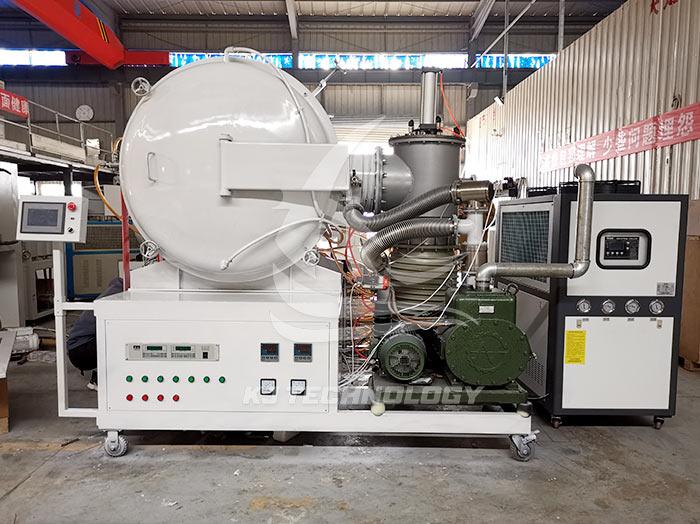
Vacuum pump configuration: Select the appropriate vacuum pump configuration according to the requirements of the ultimate vacuum degree. For example, a combination of molecular pump and mechanical pump is suitable for medium to high vacuum requirements.
3. Heating and cooling technology
Heating element: Choose the appropriate heating element, such as molybdenum wire, silicon carbon rod, graphite, etc., based on the maximum working temperature and process atmosphere.
Cooling method: Choose the appropriate cooling method according to the process requirements, such as gas quenching, water cooling, etc. Gas quenching cooling achieves rapid cooling by injecting high-purity inert gas, which is suitable for processes that require rapid cooling.
4. Furnace structure and design
Furnace size: Select the appropriate furnace size based on the size of the workpiece and the amount of furnace load to ensure that the workpiece can be uniformly heated.
Insulation layer design: High quality insulation layer design can not only save energy, but also improve the uniformity of furnace temperature.
Convection circulating fan: In the low temperature range, convective heating of high-purity gas can achieve rapid and uniform heating, improving annealing efficiency.
5. Control System and Intelligence
Multi segment programmable function: The device should be able to store multiple complex temperature vacuum time process curves to meet different process requirements.
Safety interlock protection: It has multiple safety protection functions such as over temperature, over pressure, water cut-off, power cut-off, and misoperation, ensuring the safety of equipment and processes.
Data recording and traceability: Equipped with data recording function, it can record the process curves such as vacuum degree, pressure, temperature, etc. of all process flows, facilitating process analysis, quality monitoring, and production management.
6. Safety and stability
Equipment stability: Choose equipment that has been tested in the market and has good stability to reduce failure rates and maintenance costs.
Sealing performance: Ensure that the equipment has good sealing performance to maintain a vacuum environment and prevent oxygen from entering.
Material selection: The furnace and key components should be made of high temperature resistant and corrosion-resistant materials to extend the service life of the equipment.
7. Brand and after-sales service
Brand reputation: Choose a brand with a good reputation and credibility to ensure the reliability of equipment quality and after-sales service.
After sales service: Understand the manufacturer's after-sales service system, including installation, debugging, training, maintenance and other service contents.
Technical support: Select manufacturers that can provide process debugging services and technical support to obtain timely assistance during use.