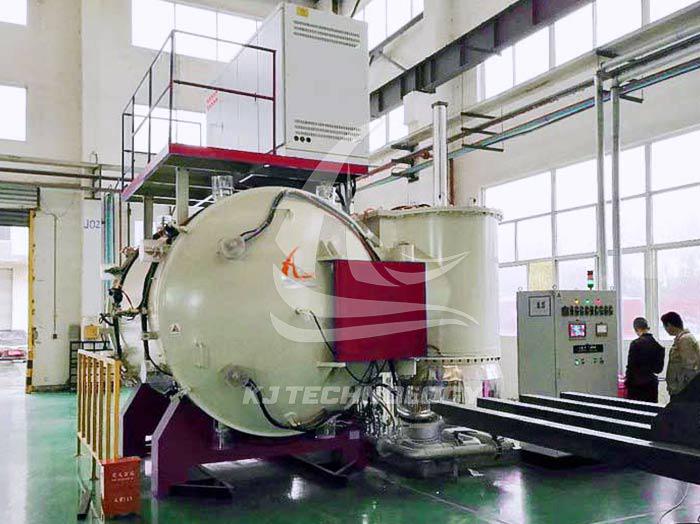
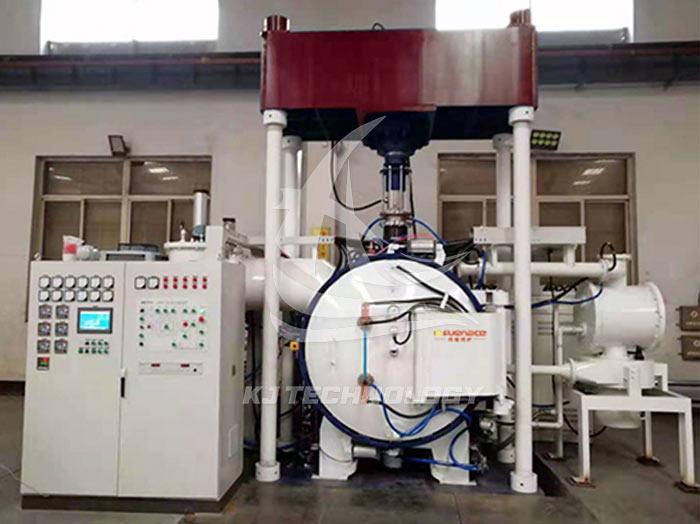
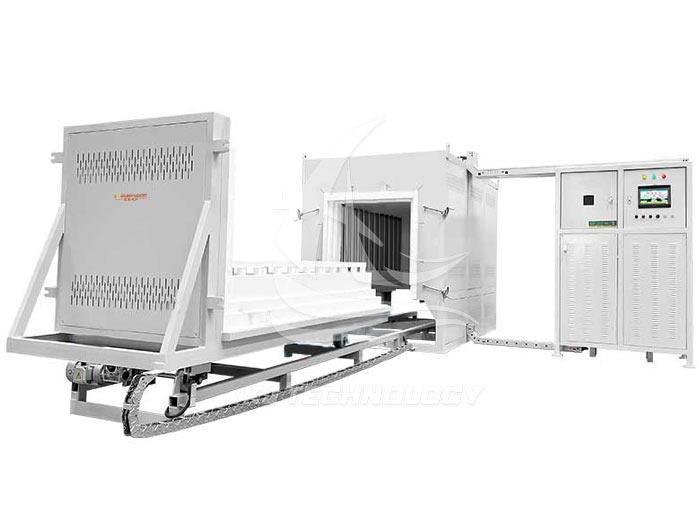
How to choose a high vacuum degreasing furnace?
 02-06-2026 Author: KJ technology
When choosing a high vacuum degreasing furnace, it is necessary to comprehensively consider multiple factors such as vacuum degree, temperature range, temperature uniformity, working area size, control system, equipment material and heating elements, equipment structure and ease of operation, as well as cost-effectiveness and after-sales service. The following is a specific analysis:
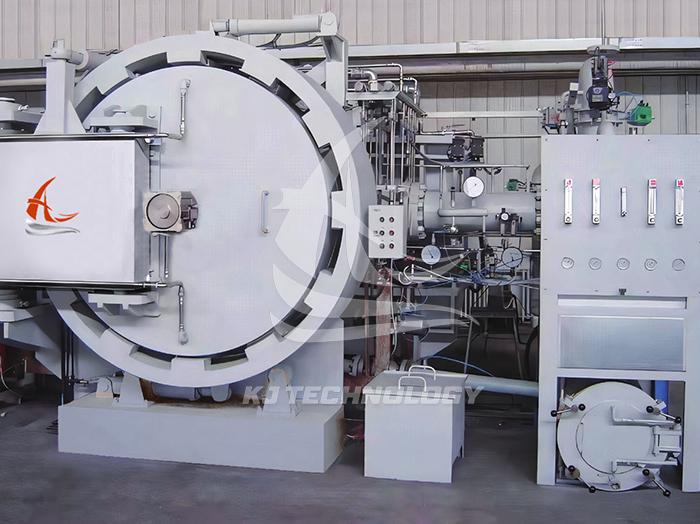
A commonly used vacuum degreasing furnace (click on the image to view product details)
1. Vacuum degree: Vacuum degree is a key factor affecting the degreasing effect. Select the appropriate vacuum degree range based on material characteristics and product requirements. For materials that require highly pure processing, a furnace with high vacuum degree (such as reaching 1 × 10 ⁻³~1 × 10 ⁻⁵ Pa) should be selected.
2. Temperature range: Different materials require different degreasing and sintering temperatures. Therefore, when selecting equipment, it is important to ensure that its temperature range can meet production needs. Some high-end devices can reach a maximum temperature of 1600 ℃ or even higher, suitable for processing various materials.
3. Temperature uniformity: Temperature uniformity is an important factor affecting product quality and yield. When selecting equipment, attention should be paid to whether its temperature uniformity meets the requirements. Generally speaking, temperature uniformity should be controlled within ± 3 ℃ to ensure uniform heating of the material during degreasing and sintering processes.
4. Work area size: Choose the appropriate work area size based on production scale and product requirements. There are various sizes of common equipment workspaces available in the market, such as 200X200X300mm, 300X300X600mm, etc., to meet the production needs of different scales.
5. Control system: Advanced control systems can improve the automation level and control accuracy of equipment, thereby enhancing production efficiency and product quality. Therefore, when selecting equipment, attention should be paid to whether its control system is advanced and easy to use, whether it has functions such as automated program control, temperature automatic control, and data automatic acquisition.
6. Equipment material and heating element: The material of the equipment and the heating element directly affect its high temperature resistance and heating efficiency. For example, equipment heated with graphite or silicon carbon rods has high temperature resistance and is suitable for high-temperature degreasing and sintering processes. At the same time, the inner tank design of the equipment should also consider processes such as full welding of high-temperature alloys to improve the durability and sealing of the equipment.
7. Equipment structure and operational convenience: The structural design and operational convenience of the equipment are also factors that need to be considered when choosing. For example, devices designed with modular structures can be customized in size and process parameters according to different material requirements, improving the flexibility and applicability of the equipment. At the same time, the operating interface of the device should be friendly and intuitive, making it easy for operators to quickly get started and operate efficiently.
8. Cost effectiveness and after-sales service: On the premise of meeting production needs and technical parameters, the cost-effectiveness of equipment is also a factor that needs to be considered. High cost-effective equipment can not only meet production needs, but also reduce operating costs. In addition, choosing equipment suppliers with good after-sales service is also an important guarantee for ensuring the long-term stable operation of the equipment.